


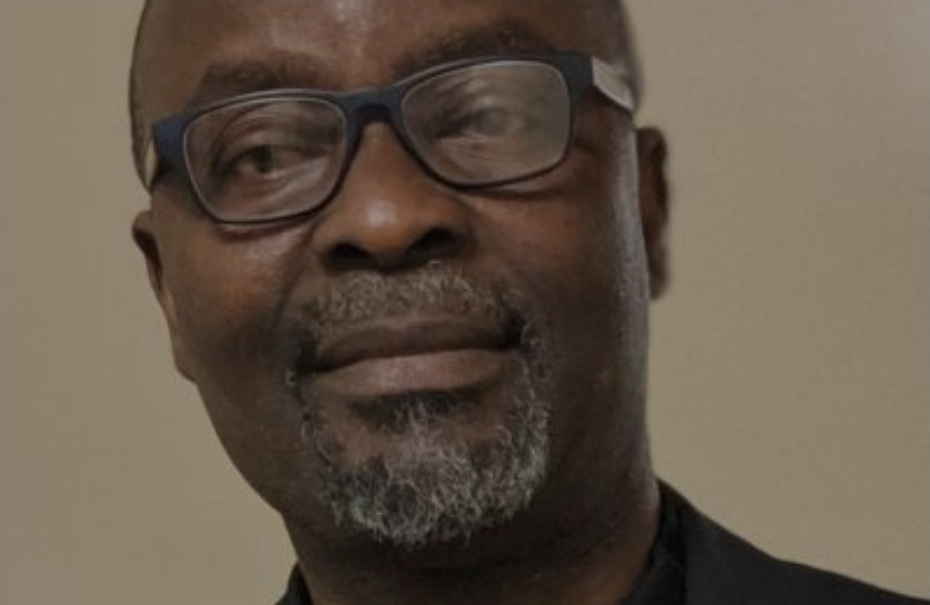
Veteran Nigerian-Canadian journalist Chief Femi Shodunke has declared that while the foundation of press freedom in Nigeria remains resilient, it is currently navigating a “tortuous” path characterized by the harassment of media practitioners and the destabilizing rise of misinformation.
Speaking during a recent interview on News Central to commemorate World Press Freedom Day, the former Deputy Editor of the Nigerian Compass reflected on the evolution of the Nigerian media from the nationalist era to the present day. Shodunke noted that despite the freedoms currently enjoyed, the recurring arrest of journalists remains a “shocking” stain on the country’s democratic credentials.
A Legacy Under Pressure
Shodunke traced the lineage of the Nigerian press to early political titans like Dr. Nnamdi Azikiwe and Chief Obafemi Awolowo, who utilized the media as a tool for liberation. He particularly highlighted the military era as a crucible that forged the modern press, recalling his time at the Concord Press of Nigeria during the June 12 struggle.
”The press played a massive role in the democracy we are enjoying in Nigeria today,” Shodunke remarked. “We are still in a good period where we can practice to the best of our ability, but we have some hiccups here and there.”
The Paradox of Power
The veteran expressed disbelief at the recent wave of detentions involving journalists, citing it as an anomaly under the current administration. He pointed to President Bola Tinubu’s own background as a media mogul—owning both television and newspaper platforms—as a reason why the industry expected a more protective environment.
”I can’t believe that in Nigeria today, a journalist can be arrested for doing his or her job,” Shodunke stated. He urged media icons, such as former Ogun State Governor Chief Olusegun Osoba, and bodies like the Nigerian Union of Journalists (NUJ) and the Nigerian Guild of Editors (NGE) to engage the government to “soft-pedal” and ensure security agencies do not overstep their bounds.

Digital Dilemma and Misinformation
The shift to digital platforms has presented a double-edged sword for the industry. Shodunke noted that while technology has “enhanced the profession” by allowing news to be delivered across the globe with a single click, it has simultaneously decimated traditional revenue streams like circulation and advertising.
More concerning, he warned, is the “bastardization” of media by untrained actors.
- The “Citizen” Risk: “Everybody now is a journalist,” he cautioned, noting that the spread of fake news is actively harming national security and democratic stability.
- A Call to Ethics: He urged veteran journalists to return to the classroom or mentorship roles to instill professional ethics in the younger generation.
National Security vs. Public Interest
Concluding his assessment, Shodunke called for a delicate balance between investigative reporting and national stability. He appealed to practitioners to be conscious of news that could “trigger tension,” emphasizing that the ethics of the profession must remain the guiding light.
”We should allow the ethics of our profession to guide us,” he concluded. “Taking national security as very important is central to sustaining both press freedom and the country’s stability.”
Do you want to advertise with us?
Do you need publicity for a product, service, or event?
Contact us on WhatsApp +2348033617468, +234 816 612 1513, +234 703 010 7174
or Email: validviewnetwork@gmail.com
CLICK TO JOIN OUR WHATSAPP GROUP



