

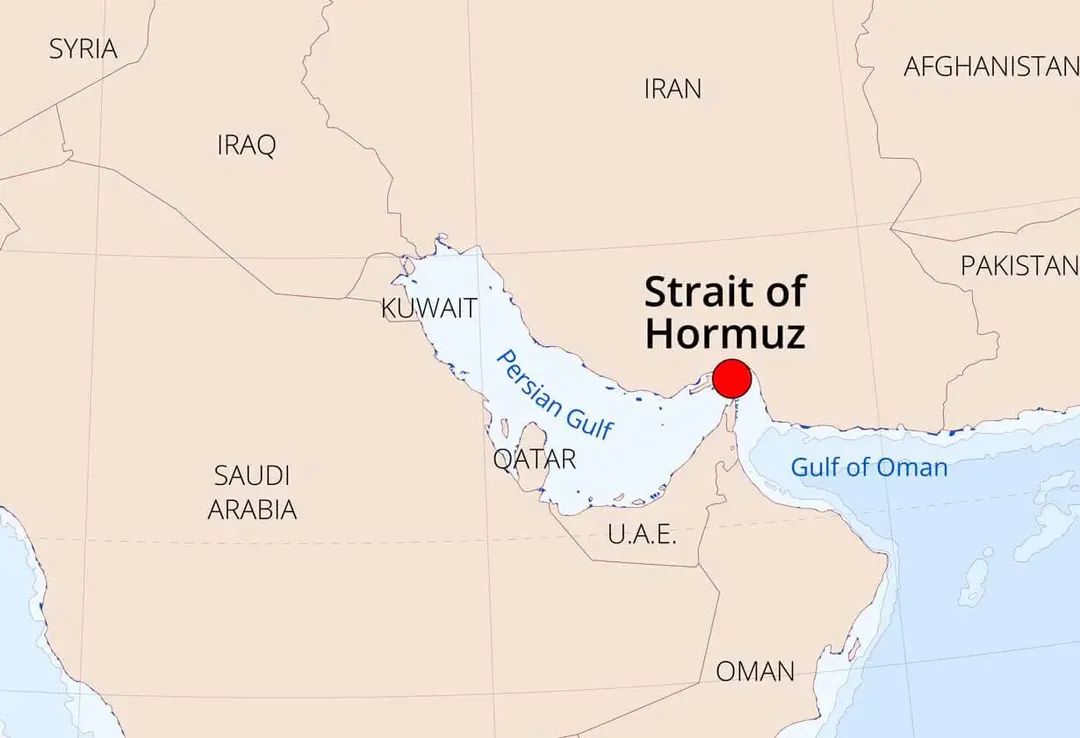
The Strait of Hormuz, a narrow waterway between Iran and Oman, has become the epicenter of the escalating Middle East conflict, effectively halting much of the world’s oil and gas shipments. In peacetime, about one-fifth of global crude oil—around 20 million barrels per day—and a similar share of liquefied natural gas pass through this chokepoint, with over 80% destined for Asia. The current paralysis marks the most severe disruption since the 1940s, when the Middle East emerged as a major oil hub, triggering immediate global energy shocks.
The crisis ignited on February 28, 2026, when US and Israeli forces launched airstrikes on Iranian targets, prompting Tehran to retaliate with regional strikes and impose sharp restrictions on strait access. Within hours, Iran’s Revolutionary Guard Corps (IRGC) issued VHF radio warnings to vessels, leading to a 70% traffic drop as ships turned back or stayed in port. By early March, the IRGC claimed full control; at least eight vessels were damaged, including the Malta-flagged Safeen Prestige, forcing crew evacuations, though some like the Pola slipped through with transponders off. As of March 12, Iran confirmed 21 attacks on merchant ships, rendering the strait a high-risk zone with war insurance premiums soaring and crew refusal rights activated.

Major carriers like Maersk, CMA CGM, and Hapag-Lloyd suspended all transits, compounding woes from Houthi attacks in the Red Sea that already forced Suez Canal rerouting around Africa’s Cape of Good Hope. Saudi Arabia, shipping 38% of Hormuz crude (5.5 million b/d), shifted flows via its 5-million-b/d East-West pipeline to Red Sea ports like Yanbu, with capacity boosted to 7 million b/d using adapted lines. Ports felt the strain too: Dubai’s Jebel Ali reported fires, Kuwait facilities paused amid debris, and food imports to the region stalled, echoing 2015 blockade risks for rice shipments. Global seaborne oil trade, over 25% via Hormuz pre-crisis, now faces weeks-long delays and skyrocketing costs.
Iran insists the strait remains “technically open” but unsafe, allowing “non-hostile” ships—such as those from India—safe passage for a reported $2 million fee, while blocking US and Israeli vessels. President Trump noted ongoing talks to end the war as Tehran signals flexibility for neutral traffic. This partial thaw offers slim relief, but historians warn of prolonged ripple effects on energy markets, with stranded tankers in the Persian Gulf and Asia bearing the brunt.
Do you want to advertise with us?
Do you need publicity for a product, service, or event?
Contact us on WhatsApp +2348033617468, +234 816 612 1513, +234 703 010 7174
or Email: validviewnetwork@gmail.com
CLICK TO JOIN OUR WHATSAPP GROUP