

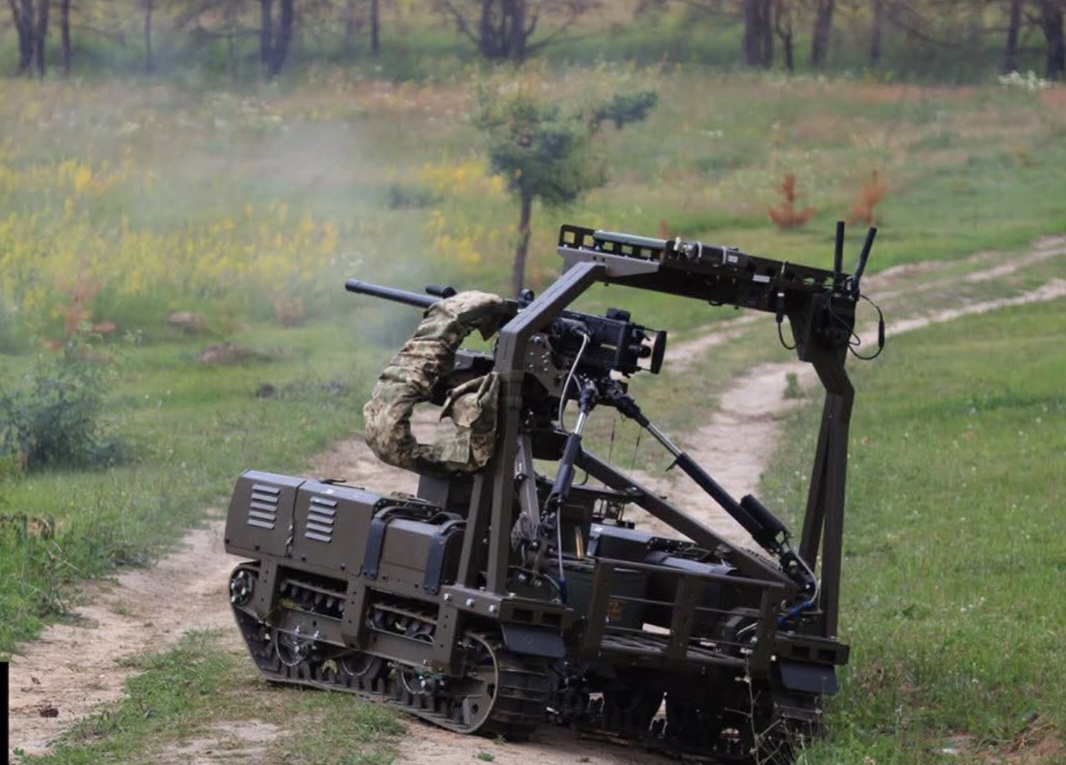
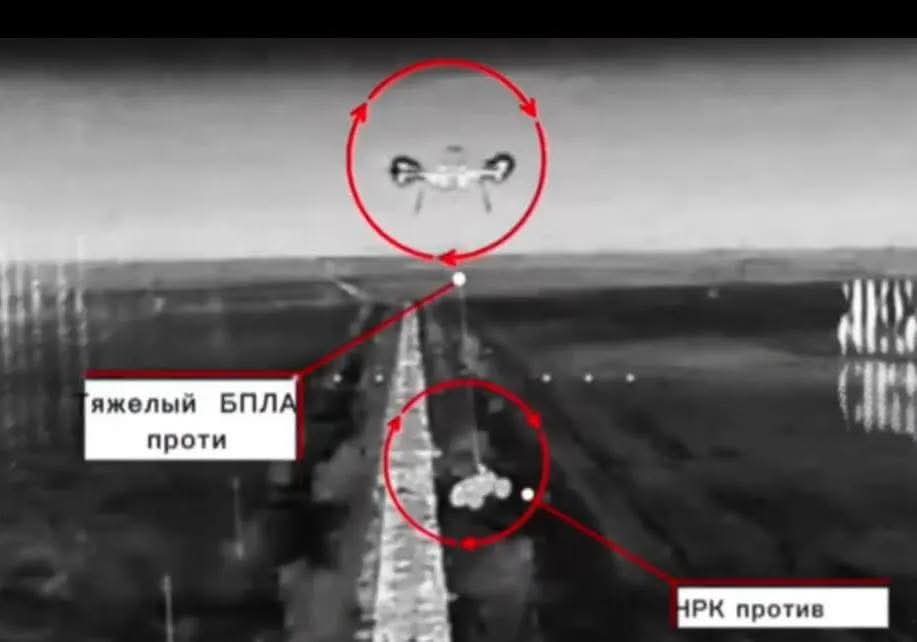
KYIV — In a milestone development for autonomous military technology, Ukraine has successfully executed the world’s first known combat operation deploying a ground robot via a heavy-lift aerial drone.
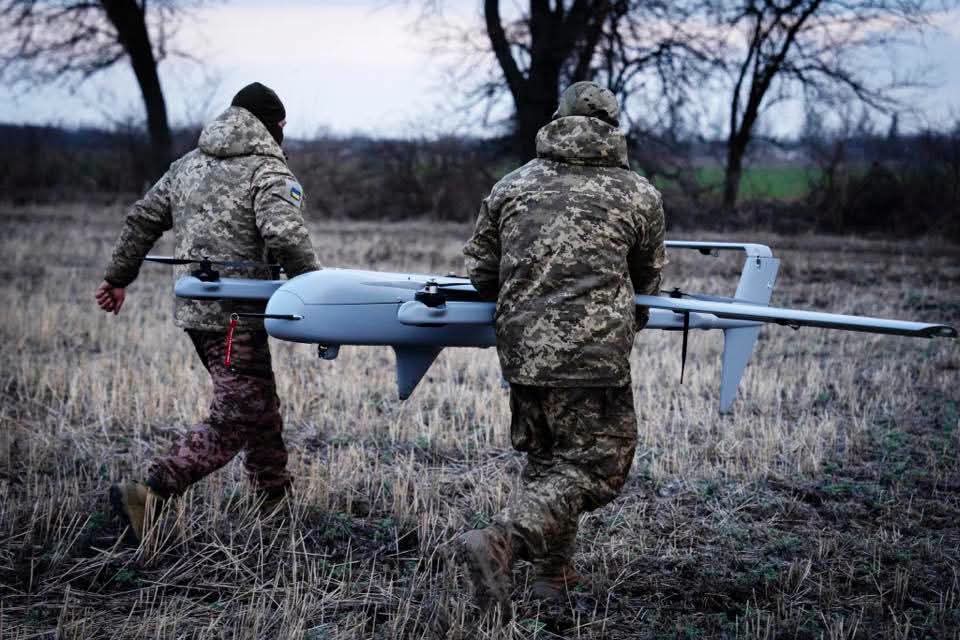
The operation utilized a heavy bomber drone to transport an ARK-1 unmanned ground vehicle (UGV) carrying an anti-tank mine deep behind Russian lines. Aptly dubbed the “marsupial” approach—referring to one uncrewed system carrying another—the tactic is engineered to bypass treacherous terrain and heavy enemy defenses that would typically immobilize smaller tracked or wheeled platforms.
While the United States military explored similar concepts decades ago under experimental frameworks like the STORK project, those initiatives never advanced past the demonstration stage. Ukraine, outpaced by necessity and operating on a constrained budget, has successfully transitioned the concept into active combat.
Grassroots Innovation Drives the Robot Revolution
The rapid pivot toward battlefield robotics is largely fueled by a grassroots explosion of private engineering talent. Eduard Trotsenko, founder of domestic robot manufacturer Temerland, shifted his focus from building car charging stations to military robotics following the 2022 invasion.

”In order to save human lives, to save soldiers, there must be robots,” Trotsenko told AFP.
Ukrainian engineers have established a prolific domestic ecosystem, moving swiftly from aerial reconnaissance drones to ground systems handling hazardous logistics, casualty evacuations, and mine-laying. Trotsenko is currently testing combat-ready variants equipped with heavy machine guns and RPG rocket launchers, while other firms develop specialized platforms designed to capture enemy FPV drones using net-launching arrays.
Shifting the Calculus of Casualties
Military commanders emphasize that the primary value of integrating autonomous tech lies in absorbing hardware attrition rather than human casualties.
”You can afford to lose a drone, but not a person,” said a Ukrainian commander known by the call sign Jason. “The probability of human losses there is reduced.”
Supported by institutional pushes from defense tech initiatives like Brave1 and the integration of artificial intelligence systems, local developers continue to iterate rapidly based on direct feedback from front-line soldiers. Despite ongoing hurdles—including shortages of specialized technical personnel—designers are already looking toward future conflicts governed by remote-operated humanoid systems, cementing a permanent shift in modern tactical warfare.
Do you want to advertise with us?
Do you need publicity for a product, service, or event?
Contact us on WhatsApp +2348033617468, +234 816 612 1513, +234 703 010 7174
or Email: validviewnetwork@gmail.com
CLICK TO JOIN OUR WHATSAPP GROUP