

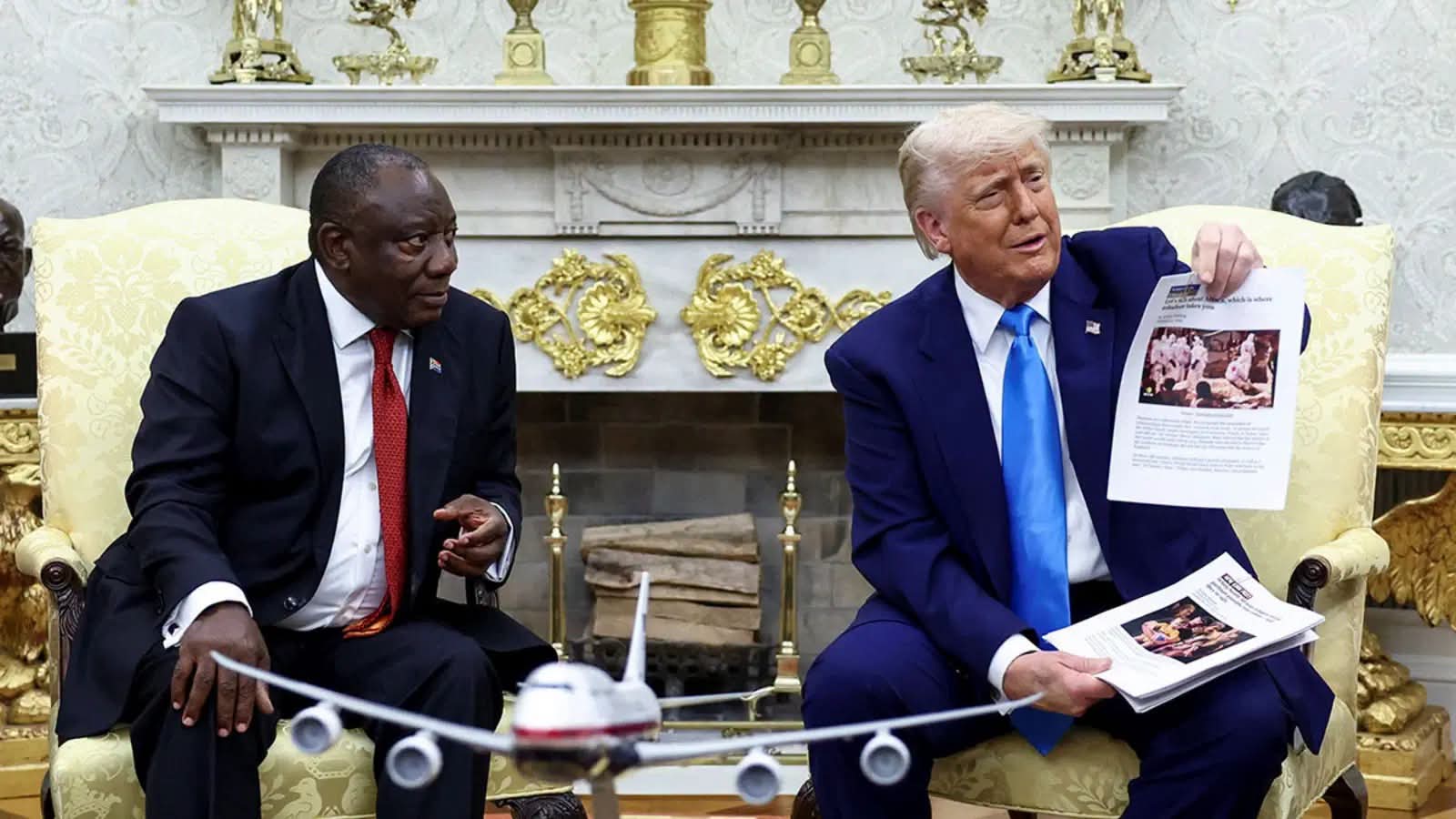
PRETORIA — Diplomatic friction between Washington and Pretoria has escalated sharply following the decision by the United States to impose targeted visa restrictions on South African nationals.
The punitive travel measures, announced by US Secretary of State Marco Rubio, stem from Washington’s contentions regarding South Africa’s domestic governance, specifically targeting individuals deemed responsible for or complicit in race-based legislation, uncompensated land expropriation policies, and the alleged incitement of violence against minority groups such as the Afrikaner population.
Reacting swiftly through an official statement, South Africa’s Department of International Relations and Cooperation strongly condemned the move. The ministry dismissed the US rationale as a fundamental mischaracterisation of its domestic policies driven by fringe political groups.
“We maintain that challenges in our bilateral relations with the USA can only be resolved by constructive engagement through state actors on both sides of the diplomatic channel, not unilateral acts,” the ministry asserted.

The restrictions—enacted under Section 212(a)(3)(C) of the US Immigration and Nationality Act—do not represent a blanket ban on ordinary South African citizens. Instead, they authorize the American government to deny entry to specific individuals whose actions are perceived to undermine the rule of law or threaten peace and economic stability. While Washington has not yet disclosed a public roster of targeted officials, the measure marks a major escalation in mounting tensions over South Africa’s Black Economic Empowerment (B-BBEE) framework, land reform legislation, and its broader foreign policy alignments.
Pretoria has reiterated that profound differences between sovereign nations must be managed through structured diplomatic dialogue rather than unilateral coercive measures, as both capitals navigate an increasingly strained chapter in their bilateral ties.
Do you want to advertise with us?
Do you need publicity for a product, service, or event?
Contact us on WhatsApp +2348033617468, +234 816 612 1513, +234 703 010 7174
or Email: validviewnetwork@gmail.com
CLICK TO JOIN OUR WHATSAPP GROUP