

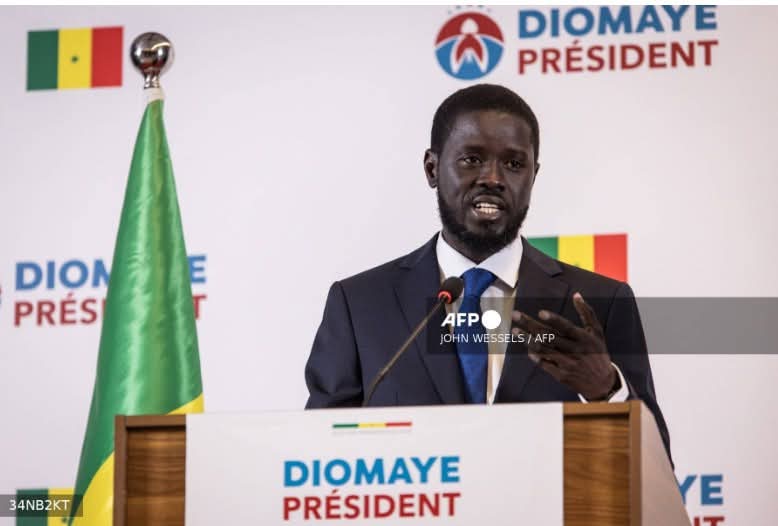
DAKAR, Senegal — President Bassirou Diomaye Faye has officially signed into law a controversial legislative amendment that doubles the prison sentences for same-sex relations, marking a significant escalation in the country’s crackdown on the LGBTQ+ community.
The new law, published in the official government journal on Tuesday following its Monday signing, increases the maximum penalty for “acts against nature” from five to 10 years of imprisonment. It also introduces stringent financial penalties, with fines now reaching up to 10 million CFA francs ($17,600), a massive jump from the previous maximum of 1.5 million CFA.
Key Provisions and Political Context
The legislation was passed by an overwhelming majority in the National Assembly on March 11, with 135 lawmakers in favor and none opposed. Beyond physical acts, the law now criminalizes the “promotion or financing” of same-sex relationships, a move rights groups say is designed to dismantle advocacy organizations.
While the law doubles the sentencing, it notably maintains the classification of these acts as a “misdemeanor” rather than elevating them to a full “crime” under Senegalese law. Prime Minister Ousmane Sonko, who presented the bill, argued that the objectives of the state could be met without the reclassification, despite his earlier campaign rhetoric suggesting a more severe legal shift.
International and Domestic Response
The United Nations High Commissioner for Human Rights, Volker Türk, condemned the move, stating the law “flies in the face of sacrosanct human rights” and threatens the dignity, privacy, and safety of Senegalese citizens.
Conversely, the law has seen strong domestic support from religious associations in the Muslim-majority nation. Proponents argue the measures are necessary to protect “traditional values” against what they characterize as Western cultural imposition.

A Rising Climate of Fear
The legal shift follows a wave of arrests that began in February 2026. Rights monitors report that dozens of men have been detained, often following unauthorized phone searches and public “naming and shaming” campaigns.
Human rights advocates warn that the new penalties—which also bar judges from issuing suspended sentences—will drive marginalized communities further underground, potentially hampering public health initiatives, including Senegal’s historically successful HIV/AIDS programs.
Do you want to advertise with us?
Do you need publicity for a product, service, or event?
Contact us on WhatsApp +2348033617468, +234 816 612 1513, +234 703 010 7174
or Email: validviewnetwork@gmail.com
CLICK TO JOIN OUR WHATSAPP GROUP