



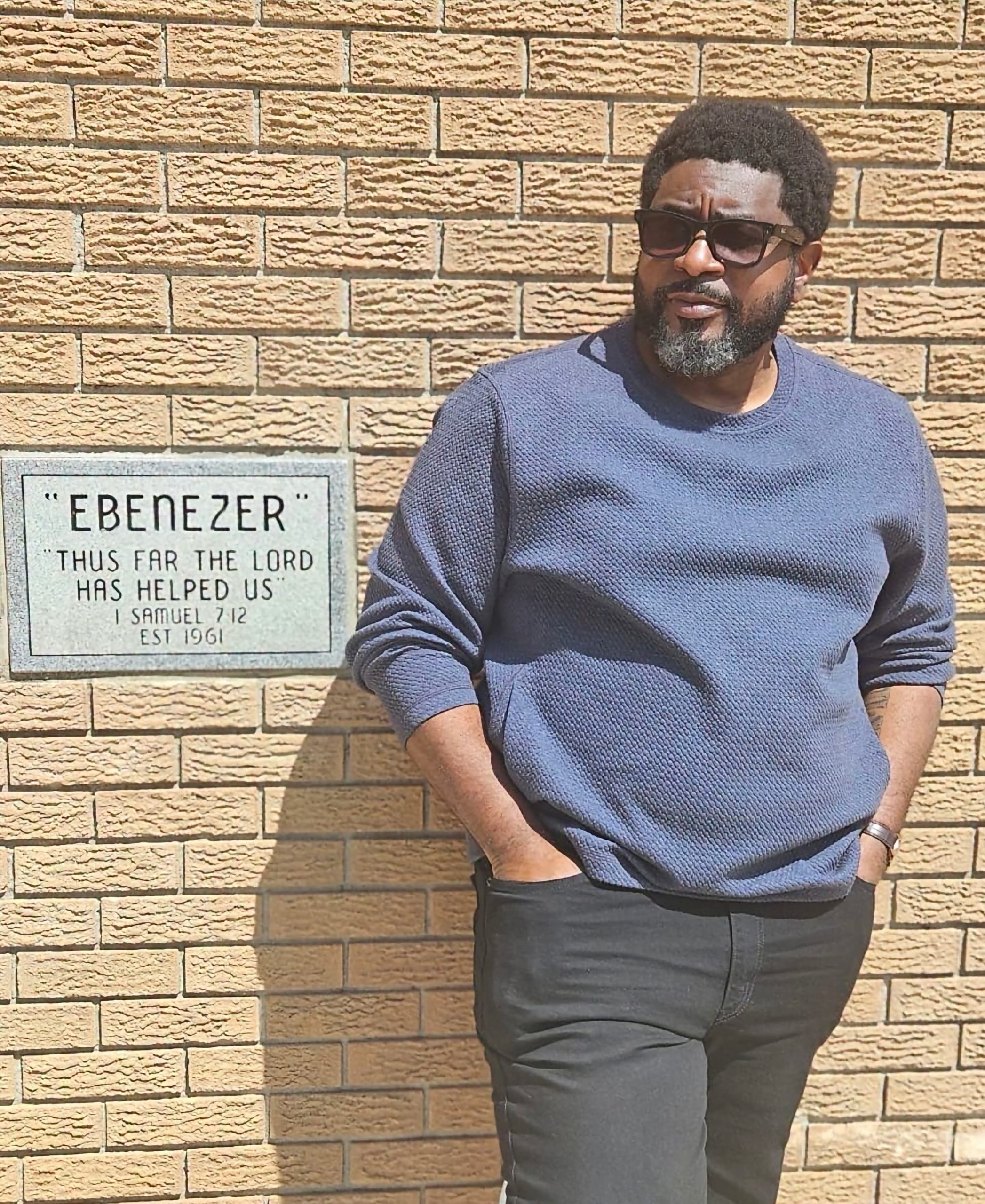
Pastor Kingsley Okonkwo, founder of the David Christian Centre in Lagos and a popular relationship coach, has reignited debate over body art in Nigerian Christianity by insisting that tattoos are not sinful and that no scripture in the Bible explicitly condemns them. In recent remarks, he expressed disappointment with the intensity of the backlash, declaring that “Nigerians have not grown mentally and spiritually as I assumed.”
The comments build on a controversy that began earlier in 2026 when Okonkwo publicly revealed a tattoo on his arm to mark his 50th birthday. The design features the Roman numerals “III:XVI,” a reference to John 3:16. The revelation sparked sharp criticism from some Christians who cited Leviticus 19:28—“Do not cut your bodies for the dead or put tattoo marks on yourselves. I am the Lord”—and argued that a pastor should not ink his body.
Okonkwo has consistently pushed back. He maintains that tattoos have been part of human culture for centuries, including traditional body markings and tribal marks across Africa and beyond. Growing up in Lagos, he recalled seeing older men with tattoos and notes that such practices exist worldwide. “Tattoos have always been part of human culture… There’s no scripture that says getting a tattoo is a sin,” he has said in multiple interviews, including on television.
He points to biblical imagery to support his position. In Isaiah 49:16, God says, “I have engraved you on the palms of my hands,” language Okonkwo interprets as drawing on a cultural understanding of permanent marks as a sign of remembrance and covenant. He also references Revelation 19:16, which describes Christ with the name “King of kings and Lord of lords” written on his robe and thigh. These passages, he argues, show that inscriptions on the body were not inherently condemned in biblical thought.

On the key Old Testament verse, Okonkwo contends that Leviticus 19:28 addresses specific pagan mourning practices involving cuttings or marks for the dead, not modern decorative tattoos. He notes the selective way some Christians apply Old Testament rules—pointing out that many pastors shave (despite related prohibitions in the same chapter) and that practices once condemned, such as women wearing trousers, using makeup, perfume, or even owning televisions, are now widely accepted. He has compared tattoos to microblading, a form of permanent makeup many Christian women undergo without controversy.
The broader Christian conversation on tattoos remains divided. Many scholars and theologians argue that Leviticus 19:28 belongs to the Mosaic covenant’s ceremonial and cultural regulations that set ancient Israel apart from surrounding pagan practices. With the coming of the new covenant through Christ, they say, these particular rules no longer bind believers in the same way. The New Testament contains no direct prohibition on tattoos. Passages such as 1 Corinthians 6:19-20, which describe the body as a temple of the Holy Spirit, are sometimes invoked to urge caution about motives, content, and potential offence, but they do not explicitly ban body art. Other Christians continue to treat the Leviticus command as enduring moral guidance and view tattoos as incompatible with Christian holiness.
Okonkwo has framed the strong negative reaction in Nigeria as evidence of limited exposure and a blend of African traditional values with Judeo-Christian teaching that, in his view, has not yet matured into a more nuanced faith. He has said he will not abandon the tattoo and has even suggested he might get more or adopt other styles if the criticism persists, arguing that personal convictions and church preferences should not be imposed as universal doctrine.
His stance has drawn both support and further criticism. Some defenders note that faith is measured by character and transformed lives rather than unmarked skin, while critics accuse him of lowering standards and confusing younger believers. The episode highlights ongoing tensions in Nigerian Christianity over cultural expression, the interpretation of Old Testament law, and the boundaries of personal freedom for leaders and laity alike.
As the conversation continues, Okonkwo’s core claim remains straightforward: the Bible does not label tattoos a sin, and the heated response reveals more about the maturity of local Christian thinking than about the practice itself.
Do you want to advertise with us?
Do you need publicity for a product, service, or event?
Contact us on WhatsApp +2348033617468, +234 816 612 1513, +234 703 010 7174
or Email: validviewnetwork@gmail.com
CLICK TO JOIN OUR WHATSAPP GROUP