



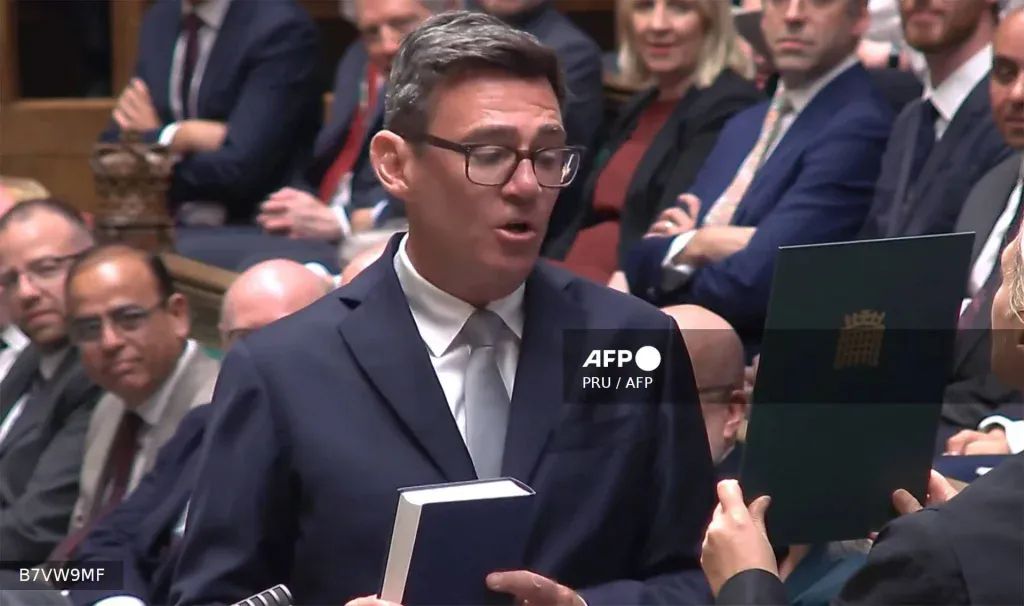
As Andy Burnham prepares to transition from the Labour leadership to 10 Downing Street on July 20, 2026, he faces urgent calls to dismantle the “boys’ club” culture alleged to have pervaded the upper echelons of government. Following a landslide of support from Labour MPs that effectively cleared his path to the premiership, advocacy groups and senior party figures are now demanding a concrete commitment to gender equality in his debut cabinet.
A Watershed Moment for Representation
Despite the Labour Party’s long-standing use of all-women shortlists for candidate selection—a mechanism that has contributed to women making up 46% of the party’s parliamentary cohort—the party has yet to elect a female leader. Critics argue that while representation in the lower ranks has improved significantly since the 1990s, women remain excluded from the true inner circles of executive power.
In a direct appeal to the incoming Prime Minister, the Women’s Parliamentary Labour Party has submitted a series of demands, most notably a 50:50 gender balance across both the Cabinet and the Prime Minister’s Downing Street office.

Moving Beyond the “Laddish” Legacy
The pressure stems from a deep-seated frustration regarding the “toxic” and “misogynistic” culture reported in Westminster. Former minister Jess Phillips emphasized that simple appointments are insufficient; women must be “imbued with power” and provided a genuine platform to challenge the male-dominated status quo.
Concerns have also been raised regarding the potential return of “old guard” political figures. Speculation surrounding the re-entry of former Blair-era advisers into central government roles has sparked concern among female lawmakers, who fear a resurgence of the insular, “laddish” circles that have historically prioritized class and camaraderie over diverse perspectives.
The Path Ahead
Political experts view Burnham’s incoming administration as a critical “watershed” moment. Dr. Sarah Childs, an expert on political representation at the University of Edinburgh, notes that Burnham—who has publicly expressed a desire to reset the culture of Westminster—has a unique opportunity to fundamentally change how Downing Street operates.
Burnham, who will officially succeed Keir Starmer on Monday, has pledged to build a “broad church” cabinet that represents all wings of the party. Whether he chooses to pair this structural inclusivity with the radical gender-balanced appointments demanded by his backbenchers remains the most significant test of his early premiership. As he steps into the role, the eyes of the party are fixed on whether he can translate his rhetoric into a government where women are not just present in the room, but are essential to every major decision made.
Do you want to advertise with us?
Do you need publicity for a product, service, or event?
Contact us on WhatsApp +2348033617468, +234 816 612 1513, +234 703 010 7174
or Email: validviewnetwork@gmail.com
CLICK TO JOIN OUR WHATSAPP GROUP