The Minister of Power, Joseph Olasunkanmi Tegbe, has appealed to the Economic and Financial Crimes Commission (EFCC) for decisive intervention against widespread vandalism of electricity infrastructure and energy theft, which he said are draining billions of naira from Nigeria’s power sector every year.

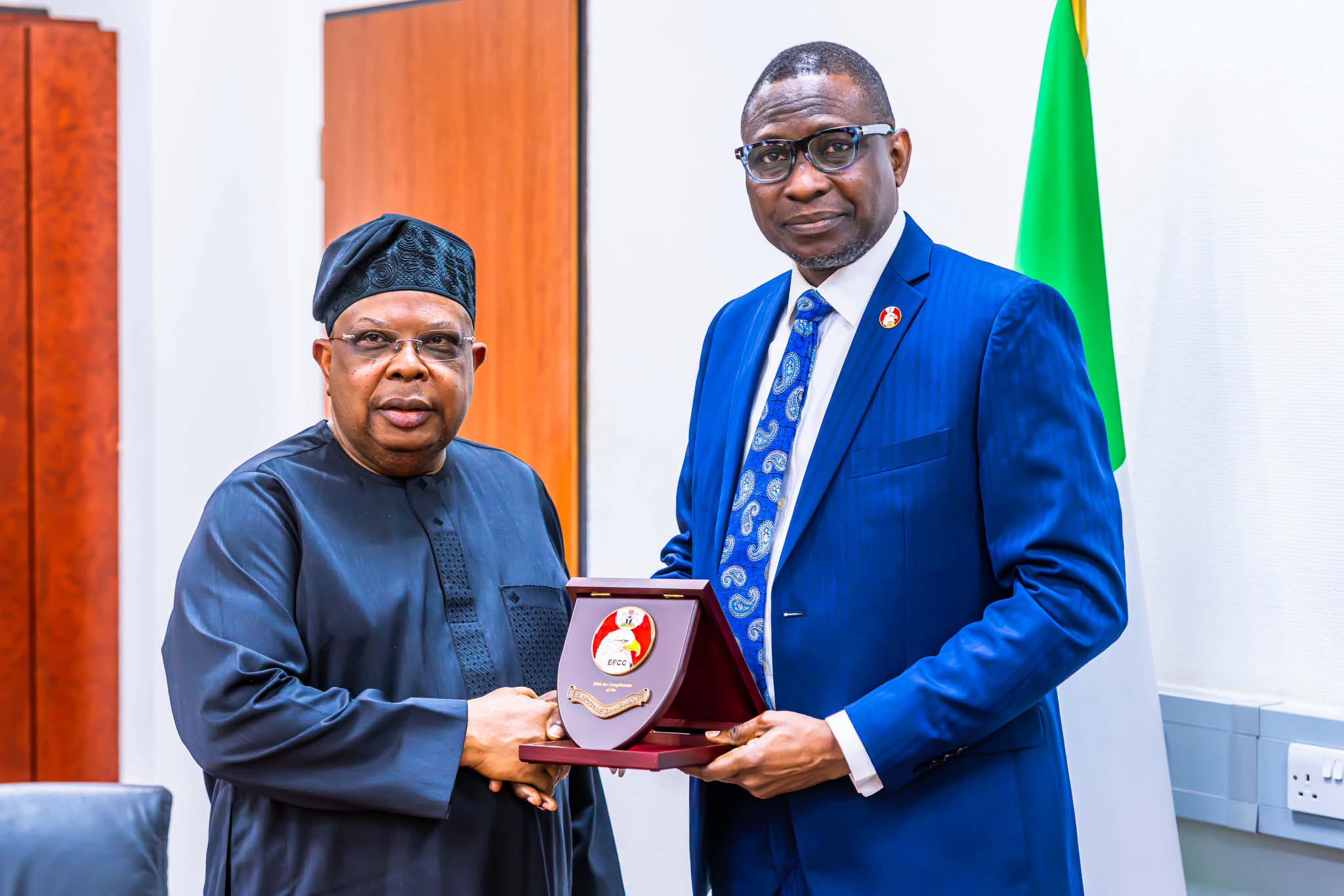
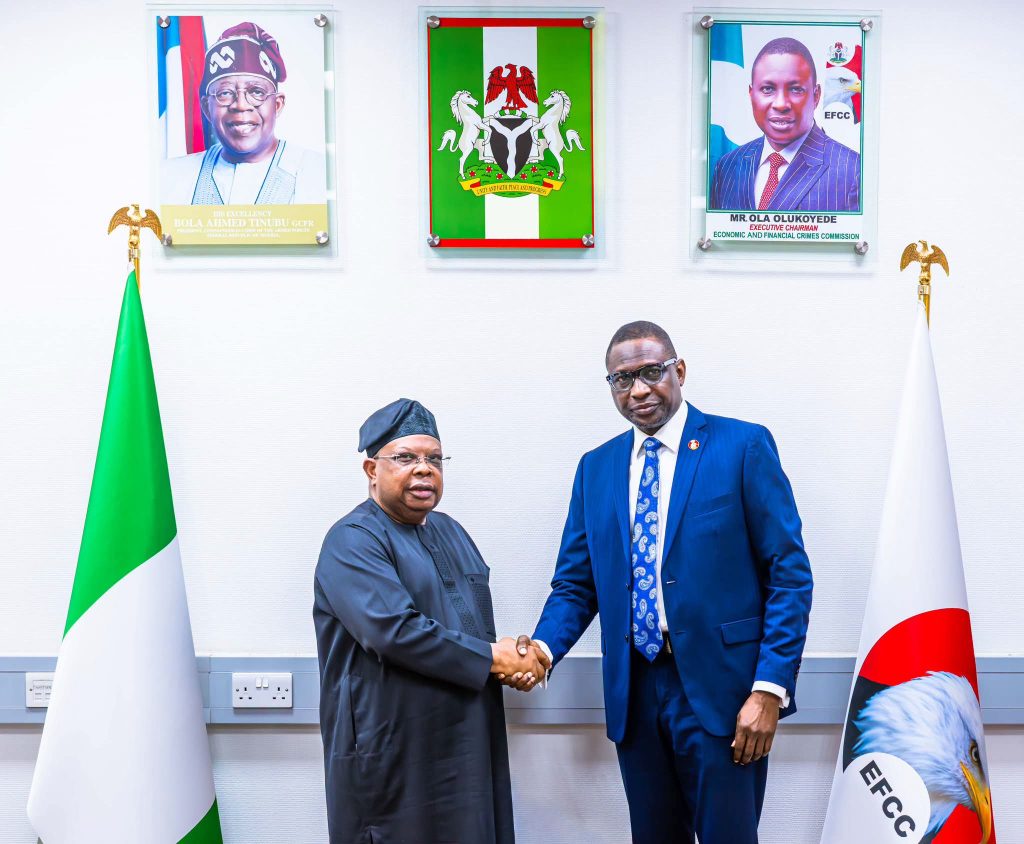
Tegbe led a Ministry of Power delegation on a courtesy visit to EFCC Executive Chairman Ola Olukoyede at the commission’s headquarters in Abuja on Tuesday, 15 September 2026. He told the anti-graft agency that the twin challenges of infrastructure destruction and unpaid electricity bills have become major obstacles to reliable power supply and the financial health of the sector.
The minister explained that the Ministry of Power lacks the statutory authority to prosecute offenders and can only report cases. He therefore sought the EFCC’s investigative and prosecutorial muscle to tackle both the thieves who steal and destroy assets and those who buy the proceeds of vandalism.
“There is a lot of vandalism going on in this country. People are stealing manhole covers and other valuables. The vandalisation is affecting our towers,” Tegbe said. “The President has charged us to create awareness and also prosecute people (those stealing and buying), but we do not have the power to prosecute offenders. We can only report to you.
They can be arrested and prosecuted. We believe the Commission can help us in that area. We need to collaborate.”
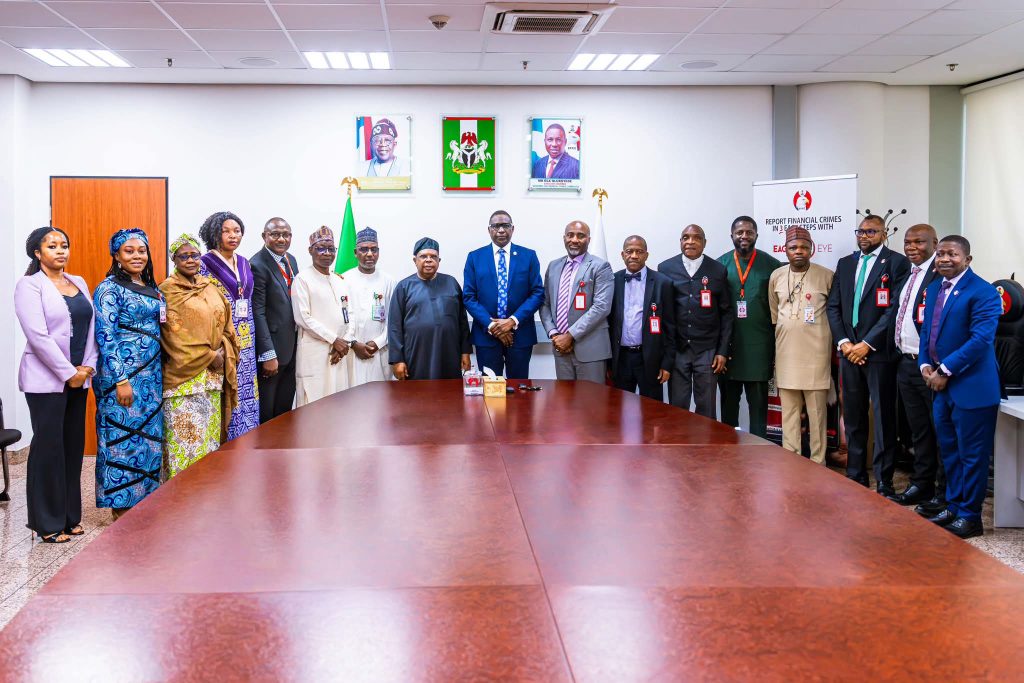
On energy theft, he highlighted another major revenue leak: companies and consumers with access to electricity who refuse to pay their bills. “Companies that have access to power do not pay electricity bills. We are losing billions annually. We need your intervention,” he added.
Tegbe also thanked the EFCC for its earlier role in resolving a legal dispute that had stalled the 215-megawatt Kudendan Power Plant project in Kaduna State, describing the commission’s overall approach to investigating economic crimes and recovering proceeds as “bold and ambitious.” He expressed confidence that closer collaboration would help protect critical infrastructure and improve electricity supply nationwide.
Responding, Olukoyede classified vandalism and energy theft as forms of revenue fraud and “major concerns and acts of economic sabotage.” He pledged full support for the ministry and announced plans to introduce Fraud Risk Assessment and Control mechanisms across all power projects—both ongoing, abandoned and new.
“We are ready to work with you particularly in the area of incorporating Fraud Risk Assessment and Control to all your projects; both the abandoned ones and the new ones coming up. We will set up a team to analyse and audit some of the projects,” the EFCC chairman said. He further assured the ministry of proactive monitoring so that public funds are not lost on sensitive infrastructure projects, declaring that “it is not going to be business as usual.”

The renewed push for inter-agency action comes against the backdrop of persistent attacks on Nigeria’s power assets. Distribution companies have repeatedly reported the destruction of poles, theft of cables and damage to transmission towers. In a separate development this week, the Nigeria Security and Civil Defence Corps (NSCDC) paraded suspects linked to large-scale cable vandalism, recovering materials valued at hundreds of millions of naira. Earlier this year, the Ministry of Power also established a joint task force with the Nigeria Police Force to protect critical installations.
Stakeholders say stronger enforcement against both physical sabotage and commercial energy theft is essential if the country is to reduce technical and commercial losses, improve sector liquidity and attract the investment needed to stabilise and expand electricity supply.
Do you want to advertise with us?
Do you need publicity for a product, service, or event?
Contact us on WhatsApp +2348033617468, +234 816 612 1513, +234 703 010 7174
or Email: validviewnetwork@gmail.com
CLICK TO JOIN OUR WHATSAPP GROUP