

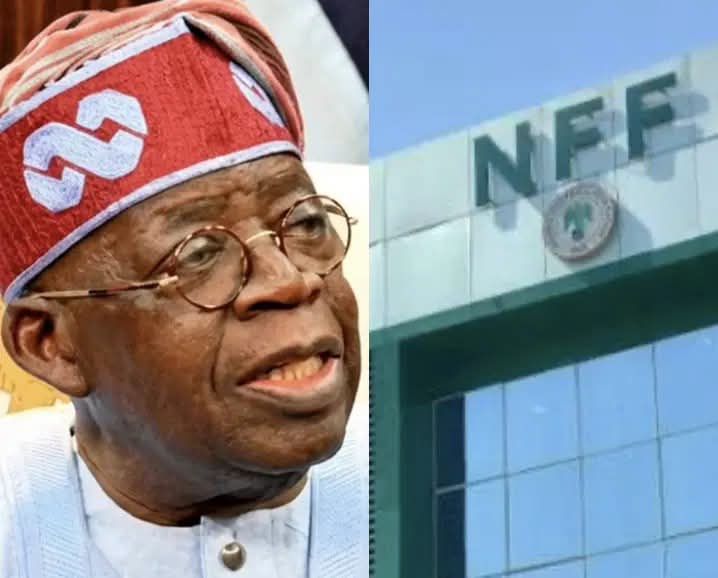
The shadow of Nigeria’s second consecutive absence from the FIFA World Cup looms large over the nation, sparking intense debate among football icons, stakeholders, and the public. While nations globally have responded to World Cup disappointment with sweeping administrative overhauls and accountability, the Nigeria Football Federation (NFF) appears insulated from such consequences.
A Contrast in Accountability
As the 2026 World Cup progresses, the contrast between Nigeria’s administrative inertia and the decisive actions taken by other nations is stark. In Côte d’Ivoire, Senegal, Algeria, Tunisia, Portugal, and Uruguay, early exits prompted immediate resignations, sackings of coaching staff, and the dissolution of boards. These nations treated football performance as a critical Key Performance Indicator (KPI); failure resulted in immediate structural change.
In contrast, the NFF leadership remains largely unchanged despite the “disaster” of missing the 2026 tournament following a penalty shootout loss to DR Congo. Rather than facilitating a rebuild, the current board has moved to secure another four-year term, with an elective congress scheduled for September 26, 2026, in Lafia, Nasarawa State.
Voices of Dissent
The sentiment among football stakeholders is one of deep frustration. Legends and experts, including Segun Odegbami, John Obi-Mikel, Efe Sodje, and Odion Ighalo, have openly criticized the federation.
- Segun Odegbami has described the federation as a “cabal” and has even threatened legal action to challenge the current electoral process, arguing that the existing constitution unfairly limits voting power to state FA chairmen—many of whom are politicians—rather than legitimate football stakeholders.
- John Obi-Mikel labeled the failure to qualify as a “disaster,” while Odion Ighalo emphasized that the issues transcend the playing field, pointing to the structural and administrative failures at the top.
- Former international Efe Sodje slammed the administration for failing to create the structures necessary to leverage Nigeria’s vast talent pool.
The Call for Presidential Intervention
Critics argue that the silence of the Nigerian government is suspicious, especially when compared to the active interventions seen in other countries. While the National Sports Commission (NSC) has advocated for democratic processes over public pressure, stakeholders maintain that the “confederacy of mediocrity” currently within the NFF will only be dismantled through firm, top-down governance reform.

With an elective congress approaching, the fear among fans is that the upcoming poll will be a mere ceremony without accountability. As Nigeria’s population of 250 million watches other nations—some with populations a fraction of its own—compete on the world stage, the demand for President Bola Ahmed Tinubu to lead a structural reform of the NFF has reached a fever pitch. Without such intervention, observers fear that football, once a great unifier, will continue to be a source of national frustration.
NPFL Reform and Professionalism
This video provides context regarding ongoing efforts to modernize the Nigerian domestic league, highlighting the gap between current domestic initiatives and the administrative challenges facing the national federation.
Do you want to advertise with us?
Do you need publicity for a product, service, or event?
Contact us on WhatsApp +2348033617468, +234 816 612 1513, +234 703 010 7174
or Email: validviewnetwork@gmail.com
CLICK TO JOIN OUR WHATSAPP GROUP