



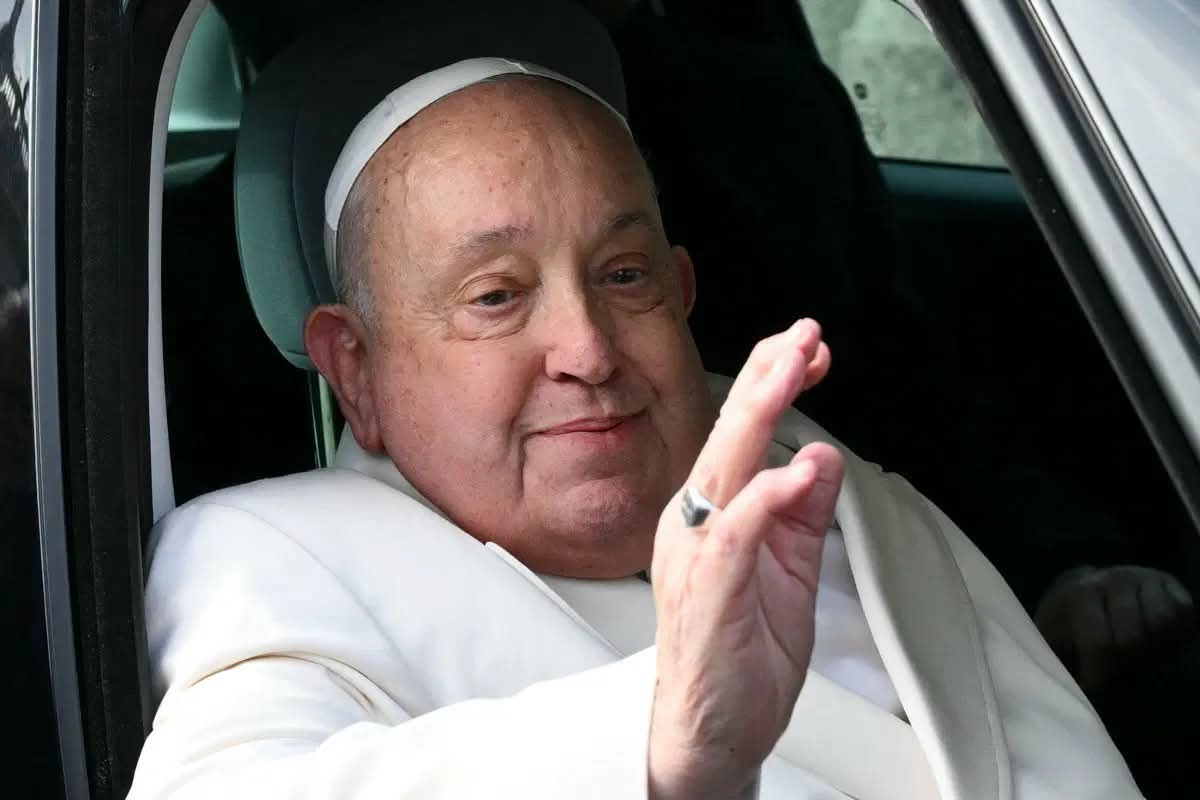
Late pontiff details fiery-eyed encounters, a glimpse of Hell’s gates, and a two-year spiritual torment in newly published private notes
The late Pope Francis claimed he physically encountered the devil three times, once peered into the entrance to Hell, and endured a profound two-year spiritual crisis that left him battling temptation and feelings of desolation, according to intimate handwritten notes released worldwide on Tuesday.
The Private Diary of Pope Francis (also referred to in some editions as The Personal Diary), edited by Cardinal Víctor Manuel Fernández, gathers selected entries Jorge Mario Bergoglio jotted in a small black plastic-covered planner between December 1992 and 18 August 2024—eight months before his death at 88 in April 2025. The 160-page volume, issued simultaneously in five languages across 94 countries and published in English by Penguin Random House, offers an unprecedented window into the Argentine Jesuit’s inner life of fear, self-reproach, mystical experience, and radical trust in divine mercy.
Francis, who led the Catholic Church from 2013 until his death, recorded the three alleged demonic encounters in a January 2021 entry at the outset of what he later described as his darkest spiritual trial. Two occurred while he was Archbishop of Buenos Aires. In the first, roughly 15 years earlier, he glimpsed the figure from a car window and never forgot the “menacing and, at the same time, seductive eyes.” The second took place during Mass in a Carmelite chapel: “He looked at me with flaming eyes… more intense than the previous one. They were like flashes of fire.” Francis wrote that he fled, clutching his rosary and calling on the Virgin Mary.
The third confrontation came after his troubled 2018 visit to Chile, where the clerical sexual-abuse scandal had erupted. Days after returning to Rome, during a meeting with Vatican officials, “I saw him and heard his voice, triumphant, possessing everything: ‘Now I’ve gotten everything I wanted.’” The pope said he could not forget “the powerful raspiness of his voice.”
The Lord, he added, allowed him to leave the meeting and thereby freed him.
In June 2018, as the full gravity of the Chilean crisis sank in, Francis recorded another chilling experience: “Last night I saw the entrance to Hell. Pagan seduction in full force. I peeked in to look a little, and it terrified me.” He grabbed his rosary “as a weapon” and later reflected that one can “slide into hell like it’s the most natural thing to do.” The vision, Cardinal Fernández notes in commentary, was linked in the pope’s mind to the temptation of power and self-sufficiency—the same “curiosity” that would later fuel his spiritual crisis.

That crisis, spanning 2021–2022, coincided with worsening health and what Francis experienced as relentless “demonic attacks.” He struggled against the allure of governing the Church as someone who “uses others like puppets,” wrestling with aridity, desolation, and the pressure of decisions. Fernández describes it as a “dark night” akin to the purification spoken of by St John of the Cross—a stripping of the soul that ultimately deepened union with God through total surrender to divine mercy. By late 2022 the pope emerged strengthened, having recognised the trial as the worst that had tormented him.
The diary is not a chronicle of public events or Vatican intrigue. It is a raw spiritual ledger: brief, slanted notes of inadequacy (“I am afraid”), self-judgment, moments of consolation (including a vision of the Lord smiling with mercy), and repeated pleas for the Virgin’s protection. The final entry, dated 18 August 2024, returns to the theme: the devil “always reappears in different situations.” Francis begged the Virgin to keep him attentive and careful.
Do you want to advertise with us?
Do you need publicity for a product, service, or event?
Contact us on WhatsApp +2348033617468, +234 816 612 1513, +234 703 010 7174
or Email: validviewnetwork@gmail.com
CLICK TO JOIN OUR WHATSAPP GROUP
Cardinal Fernández, a longtime collaborator whom Francis brought to Rome as prefect of the Dicastery for the Doctrine of the Faith, obtained permission from the current pope, Leo XIV, to publish the material after Francis’s death. The late pontiff himself had indicated the notes might one day serve “to edify.” The book appears with Fernández’s contextual commentary, carefully selecting passages for spiritual value while omitting coded or purely practical jottings.
What emerges is a portrait of a pope who, for all his public warmth and reformist energy, lived an intense, often embattled interior life. The man who urged the world to show mercy was, in the privacy of his planner, continually asking for it himself—and, by his own account, repeatedly confronting the adversary he believed sought to claim everything.