

A ROAD SHOULD NOT FEEL LIKE A SURVIVAL TEST
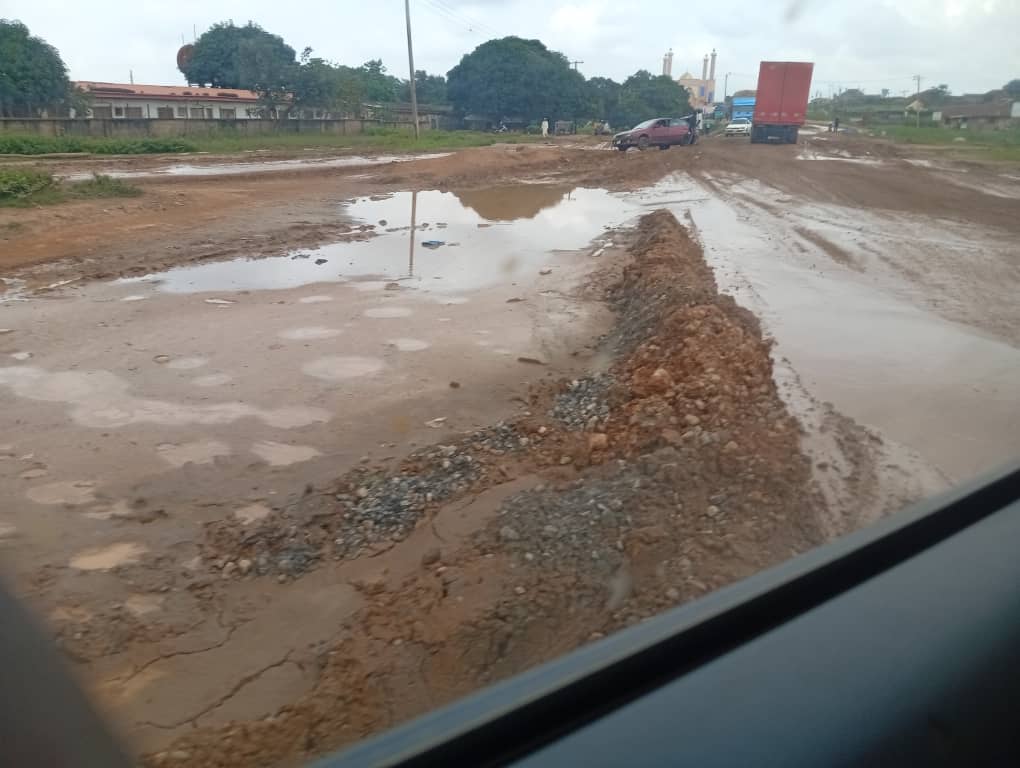
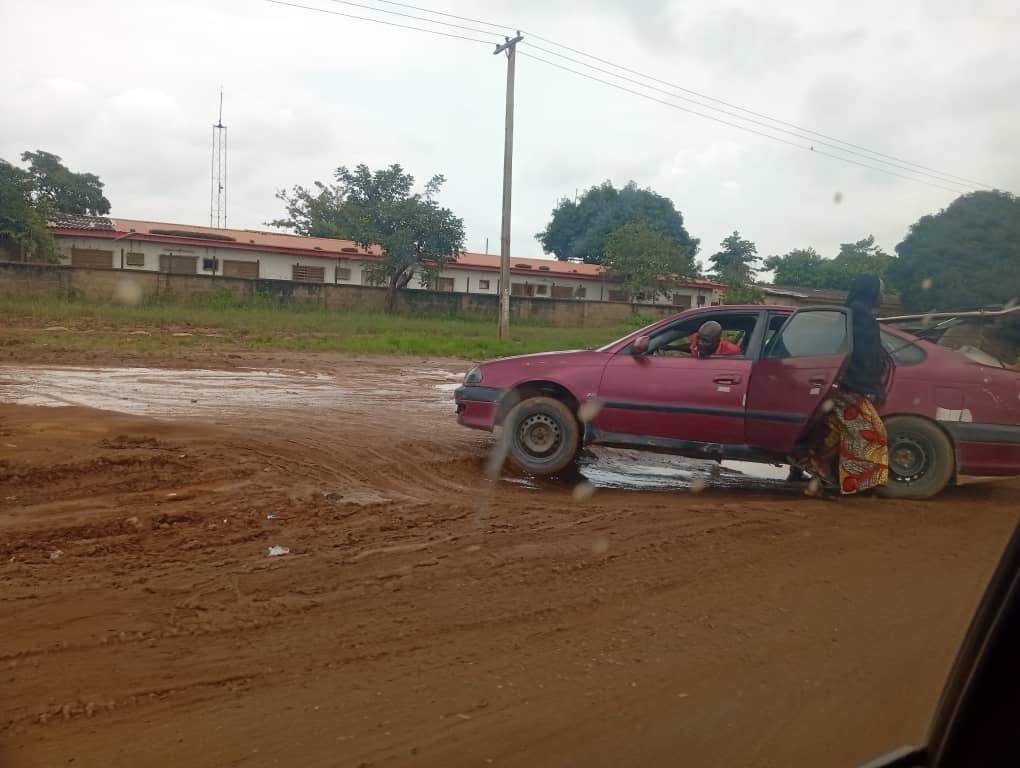
One of our esteemed readers sent some of the attached photographs to ValidViewNetwork with a warning about the condition of the Suleja Depot axis linking Suleja to Dikko Junction on the Abuja-Kaduna Expressway.
The photographs are difficult to dismiss. Motorists are navigating mud, standing water and deeply uneven surfaces. Heavy trucks are moving through the same corridor used by ordinary commuters.
For a motorist, every pool of water can conceal a pothole. Every attempt to avoid one bad section can create another hazard. And every breakdown can turn an already difficult route into another traffic bottleneck.
ValidViewNetwork reports that the concern here is not simply that the road is unpleasant to drive on. It is that a strategically important corridor carries significant traffic while motorists are being forced to negotiate conditions that can worsen dramatically during rainfall.
The cost is measured in more than damaged vehicles. It is fuel consumed in traffic.It is hours lost on the road. It is delayed businesses, missed appointments and frustrated commuters.

And where heavy vehicles are involved, it is also a road-safety concern. How many warnings should a road receive before emergency action becomes necessary?
BIDA-AGAIE: A DIFFERENT ROAD, A SIMILAR WARNING
The reader also pointed to the Bida-Agaie Road. That is a separate road and should not be confused with the Suleja-Dikko axis. But its history makes the warning impossible to ignore.
On October 21, 2025, a petrol tanker overturned along the Bida-Badeggi-Agaie Road in Niger State and exploded. The death toll eventually rose to 42, with more than 60 people injured, according to the Niger State Government’s account reported by Channels Television.
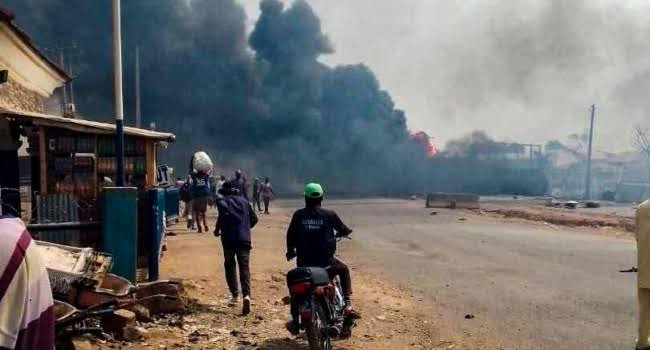
Residents and emergency officials linked the tragedy to the deteriorated condition of the road. That road has therefore already supplied the grim answer to what happens when dangerous infrastructure meets heavy petroleum traffic. People die. The tragedy should not be allowed to become another historical footnote.
AND THEN THERE IS DIKKO-MAJE
The Dikko-Maje Road is another distinct corridor. It is also the location of one of Niger State’s most devastating recent road disasters.
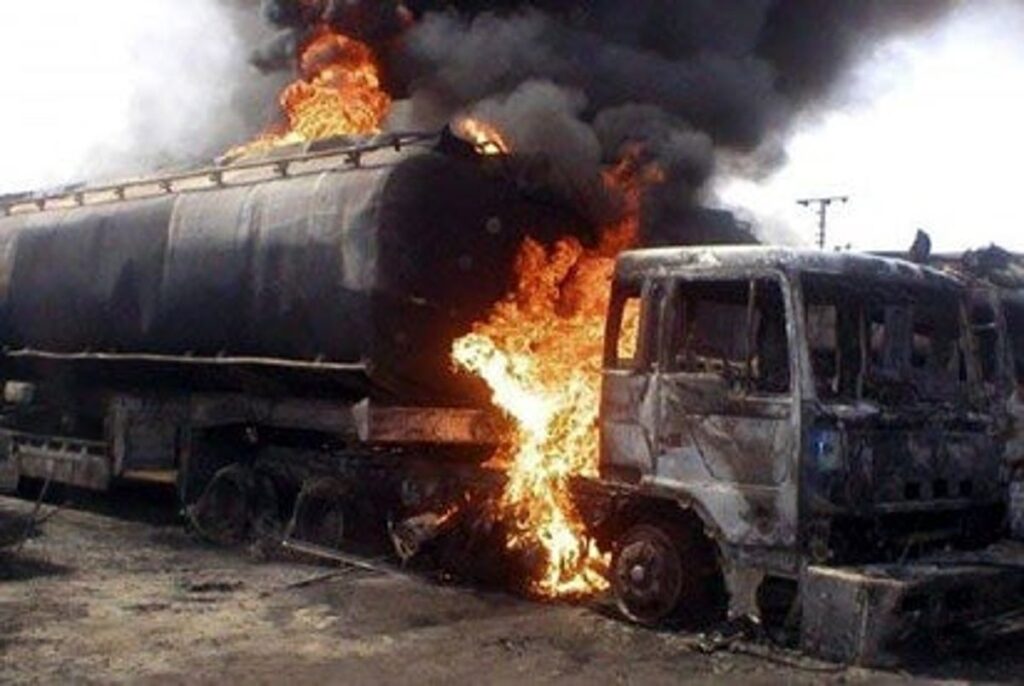
In January 2025, a petrol tanker crashed along the Dikko-Maje Road near Dikko Junction. The ensuing explosion killed 98 people, injured 69 and destroyed 20 shops.
The scale of that disaster should permanently change how authorities view the corridor. And the Federal Government knows the road requires attention.
In March 2026, the Federal Ministry of Works said the 7km Maje-Dikko dual carriageway had been concessioned under the NNPC Tax Credit Scheme and that work was expected to commence soon.
The ministry had separately announced that work on the 71km Suleja-Minna Road was expected to commence on March 16, 2026. These are separate projects.
They should remain separate in public accountability.
THE GOVERNMENT HAS PLANS. MOTORISTS NEED RESULTS.
The Suleja-Minna Road has been a long-running infrastructure problem. The Federal Ministry of Works says its Phase 1 covers 40km from Dikko Junction to Bonu village and includes twin flyovers and three river bridges.
The ministry has acknowledged setbacks involving funding and insecurity and has described the road as a priority. The government has also promised safety infrastructure on the Suleja-Minna project, including solar lighting, CCTV surveillance and a rapid-response system.
Those commitments are welcome. But motorists cannot drive on promises. They need roads. They need drainage. They need safe shoulders. They need traffic management. They need dangerous sections fixed before another accident forces government to respond with condolences.
Do you want to advertise with us?
Do you need publicity for a product, service, or event?
Contact us on WhatsApp +2348033617468, +234 816 612 1513, +234 703 010 7174
or Email: validviewnetwork@gmail.com
CLICK TO JOIN OUR WHATSAPP GROUP
That is the uncomfortable message coming from these photographs. ValidViewNetwork reports that the Suleja-Dikko axis shown in the images needs urgent attention, while the separate Bida-Agaie and Dikko-Maje corridors carry their own documented histories of dangerous road conditions and deadly tanker disasters.
These roads must not be lumped together. But neither should their warnings be ignored. One road is sending a warning through photographs.
Another has already witnessed a tanker inferno that killed 42. Another witnessed a disaster that killed 98.And another, the Suleja-Minna corridor, remains the subject of a major federal reconstruction effort after years of delay.
That is enough warning. SAVE OUR SOULS should not become the headline after the next tragedy. It should be the warning that prevents it.ValidViewNetwork reports.