



There are illnesses that make people whisper. There are others that make a society pause.
Since the daughters of veteran actor Taiwo Hassan, popularly known as Ogogo, came into the public space on Monday, August 17, to reveal that their father was battling stage-four cancer, something unusual has been happening around the actor.
Nigerians have not merely watched. They have moved.People have prayed. Colleagues have called. Doctors have been sought. Medical facilities have been mentioned. Politicians have intervened.
Actors across generations have gathered. Muslims have prayed for him. Christians have prayed for him. People at home and abroad have joined the conversation.
Some who are themselves struggling with life have still found room in their hearts to ask that another man’s life be preserved.
And perhaps that is the first thing Ogogo’s illness is asking us to examine.
What exactly is it about this man?
The answer may be bigger than fame. On Monday, August 17, Ogogo’s daughters, Lima and Kira Taiwo, separately appealed for medical help. They were not initially asking Nigerians for money. They were asking for something more desperate: somebody who knew somebody who could help their father medically.
Kira said the cancer was at stage four and that the hospital treating him could no longer continue chemotherapy. The family also acknowledged Senator Solomon Olamilekan Adeola, popularly known as Yayi, for helping with the medical bills.
Then the machine of human solidarity began to turn. By Wednesday, actress Toyosi Adesanya reported that Yayi had reached out to cancer specialists and that Ogogo had been admitted for treatment, with reports subsequently saying he had been taken to the operating theatre.
By Friday, August 21, the industry gathered again. Jide Kosoko, Yinka Quadri, Madam Saje, Mr Latin, Antar Laniyan, Rotimi Salami, Adewale Elesho and others were seen praying for Ogogo and asking Allah for mercy, intervention and complete healing.
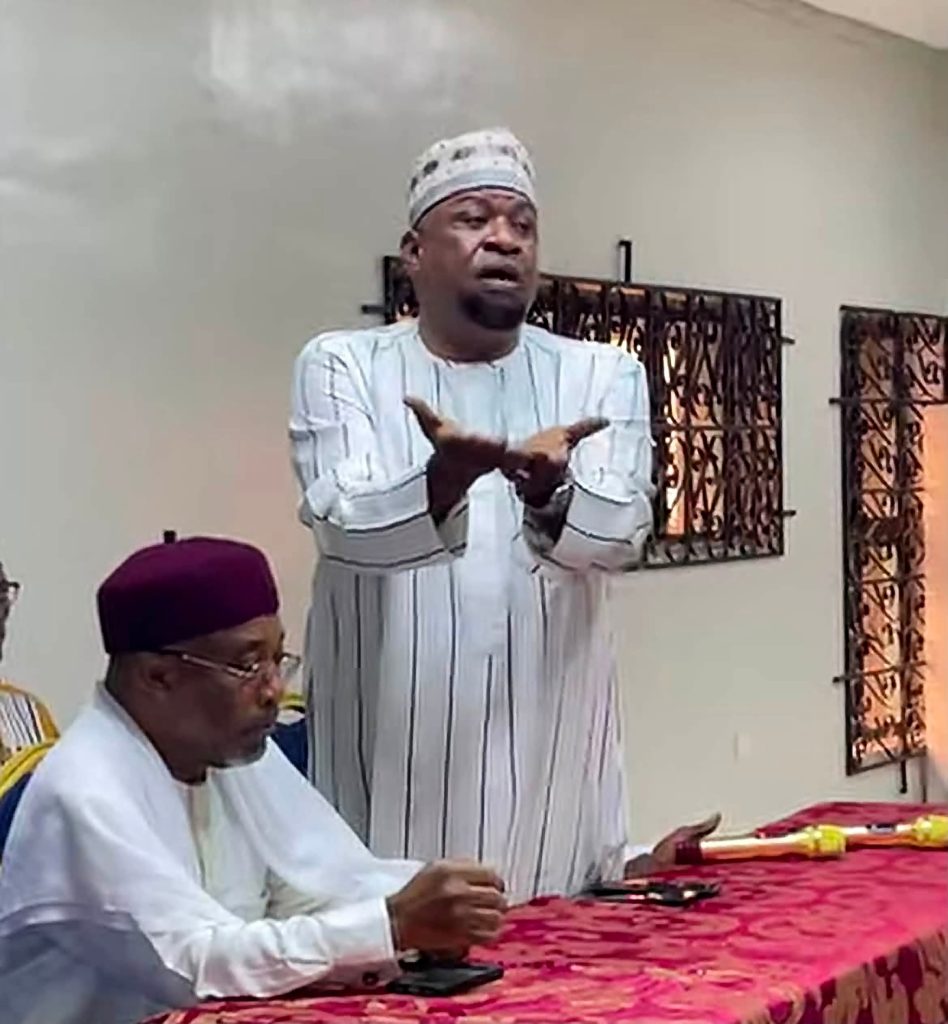
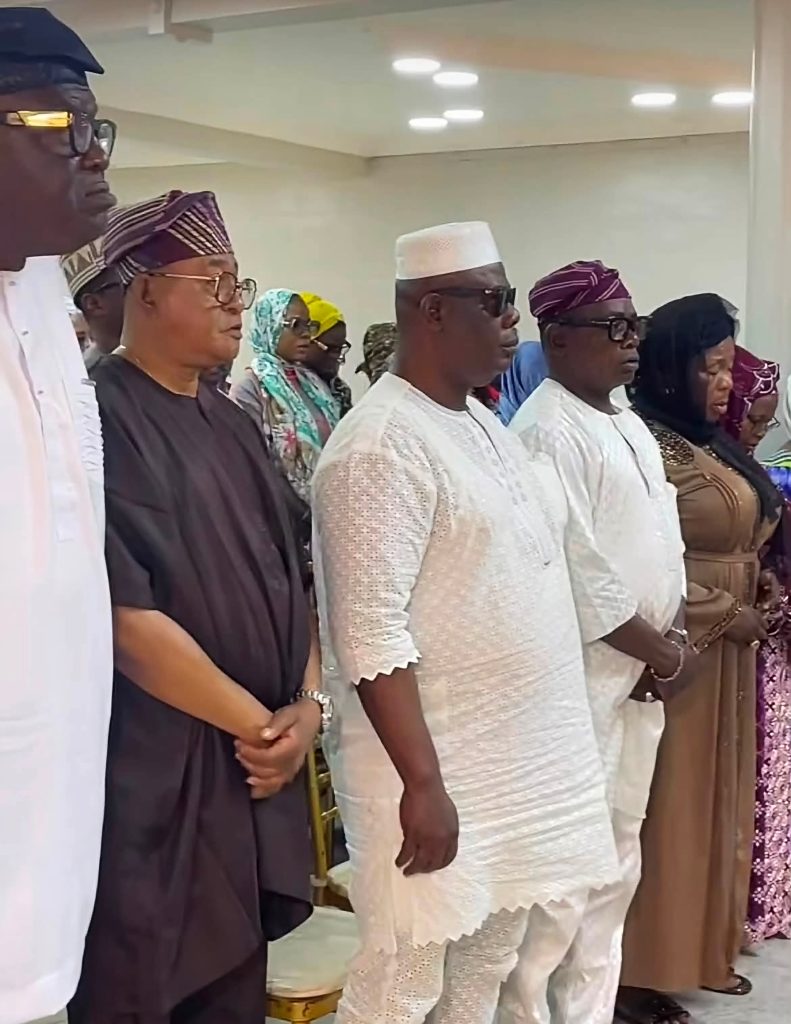
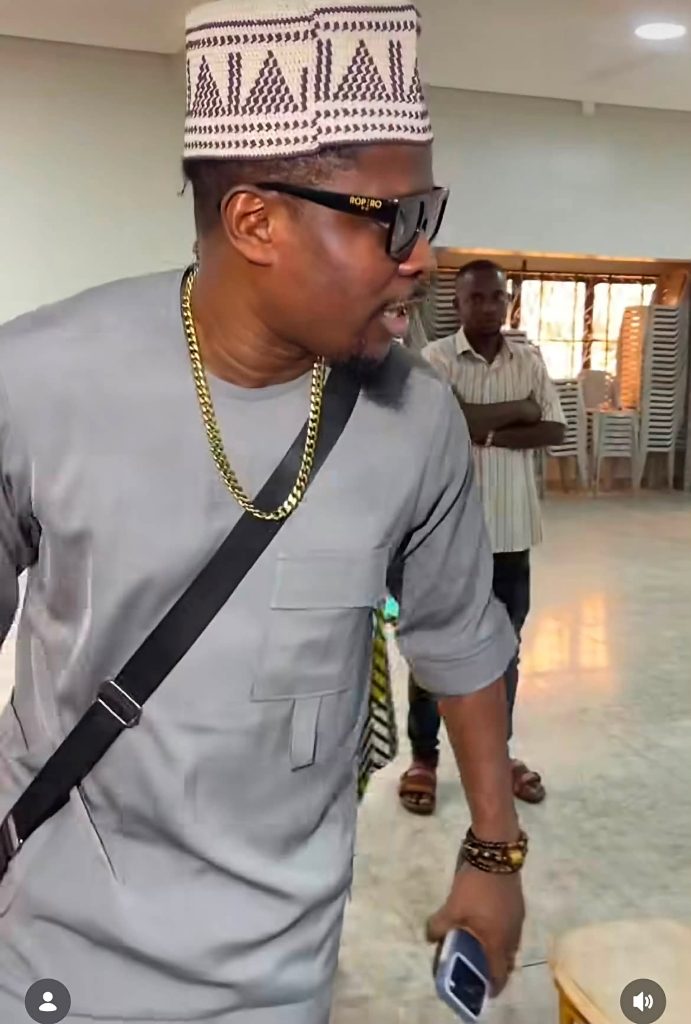
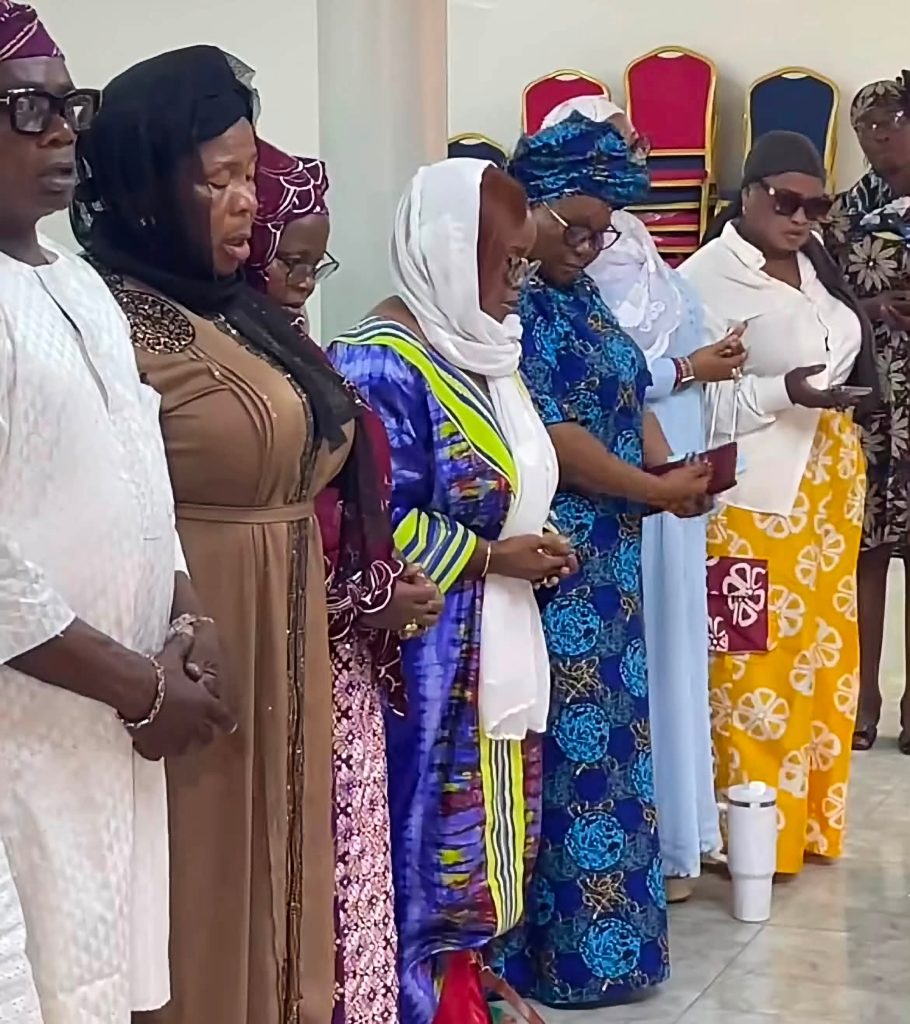
That is not just a celebrity story. It is a story about relationships.
Perhaps Ogogo has been planting this harvest for decades
I have always been fascinated by the things people discover about a person when that person becomes vulnerable.
When the money is there, everybody can be around you. When the cameras are there, everybody can smile with you. But illness has a brutal way of separating acquaintances from relationships.
Ogogo appears to have accumulated the latter. His 60th birthday celebration in 2019 offered a glimpse. The event was not merely another celebrity party. It brought together actors, politicians, traditional rulers and people from different parts of his world.
Senator Yayi, who described Ogogo as a compassionate man who could go out of his way for others, presented him with a brand-new Toyota Venza.
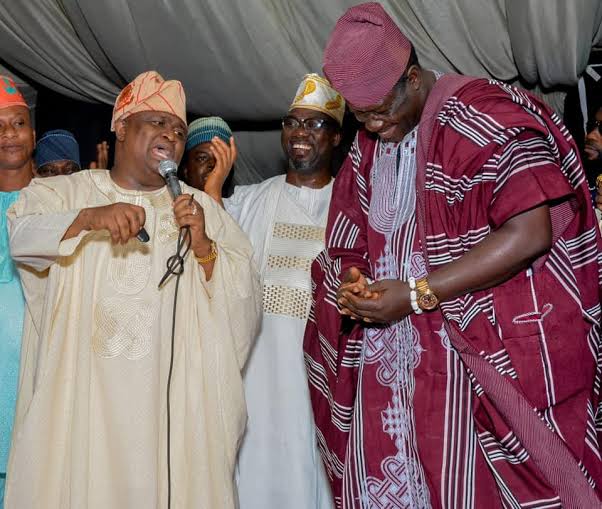
That detail matters today. Some people have been wondering why Yayi has gone this far for Ogogo. The answer may not be found in politics. It may be found in history.
This is not a friendship that began when cancer became public. It was already visible years ago. So when Yayi stepped forward to help with Ogogo’s medical bills (even before Ogogo’s family made it known that Ogogo is battling cancer) and subsequently sought medical specialists for him, it should not surprise anyone who has followed their relationship.
It is the continuation of a bond that predates this crisis.
And that is one of life’s quiet lessons.
The relationships you build when you are healthy may become the hands that hold you when you are sick.
Stage four is serious. But it is not a death certificate
There is another part of this story we must handle carefully. The phrase “stage four cancer” frightens people because it should. It usually means advanced disease.
But it is irresponsible to turn it into an automatic prediction of death. At the same time, I would not join those casually saying it is “fifty-fifty.”
Cancer does not work like a coin toss. Survival depends on the particular cancer, how far it has spread, its biology, available treatment and the patient’s response to treatment.
Farooq Oreagba gives us a reason for hope, but his story must also be told correctly. The man who became the global face of Ojude Oba steeze was diagnosed with stage-one multiple myeloma after a routine scan in February 2014.
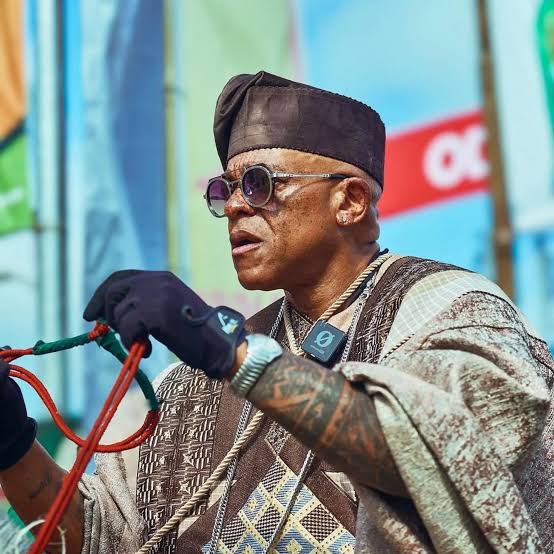
He underwent chemotherapy and a stem-cell transplant in August that year. On February 4, 2015, he said he entered complete remission. He nevertheless continued chemotherapy for another seven years and stopped treatment in August 2022.
As of February 2026, he was still attending quarterly check-ups and speaking publicly about his experience.
So Oreagba’s story does not prove that Ogogo will survive. What it proves is something more modest and more important; a cancer diagnosis is not permission for the living to begin behaving as though the person is already dead.
There must be room for medicine, expertise, hope, prayer and possibility. Ogogo deserves all four.
There is something else about this man
I went back to Ogogo’s older interviews and found something that made the present moment even more interesting. His health crisis is not entirely new.
In a 2010 interview, Ogogo spoke about the illness that had once brought his career to a standstill. He recalled how many people had thought the end had come, and he spoke about the support he received during that period.
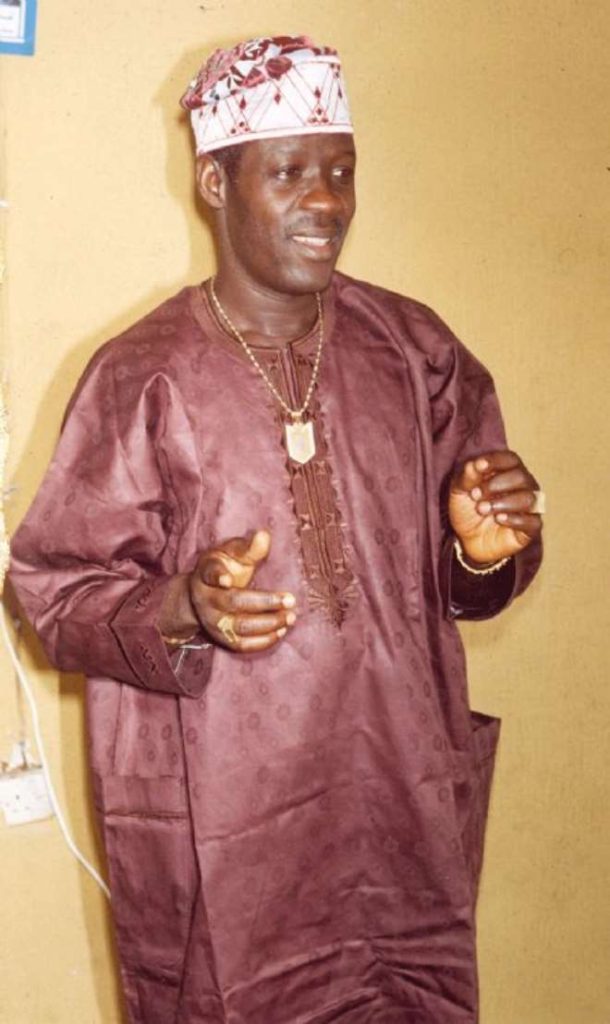
In another interview published in 2011, he described the experience of taking ill and eventually bouncing back.
That makes his present crisis strangely familiar. The difference is that the old Ogogo did not have today’s social media machine.
There was no Instagram video from a daughter travelling across the world in seconds. There was no WhatsApp status becoming a national bulletin. There was no X timeline mobilising hundreds of people within hours.
The love may not be new. The megaphone is.
And perhaps that explains why this present outpouring feels overwhelming.
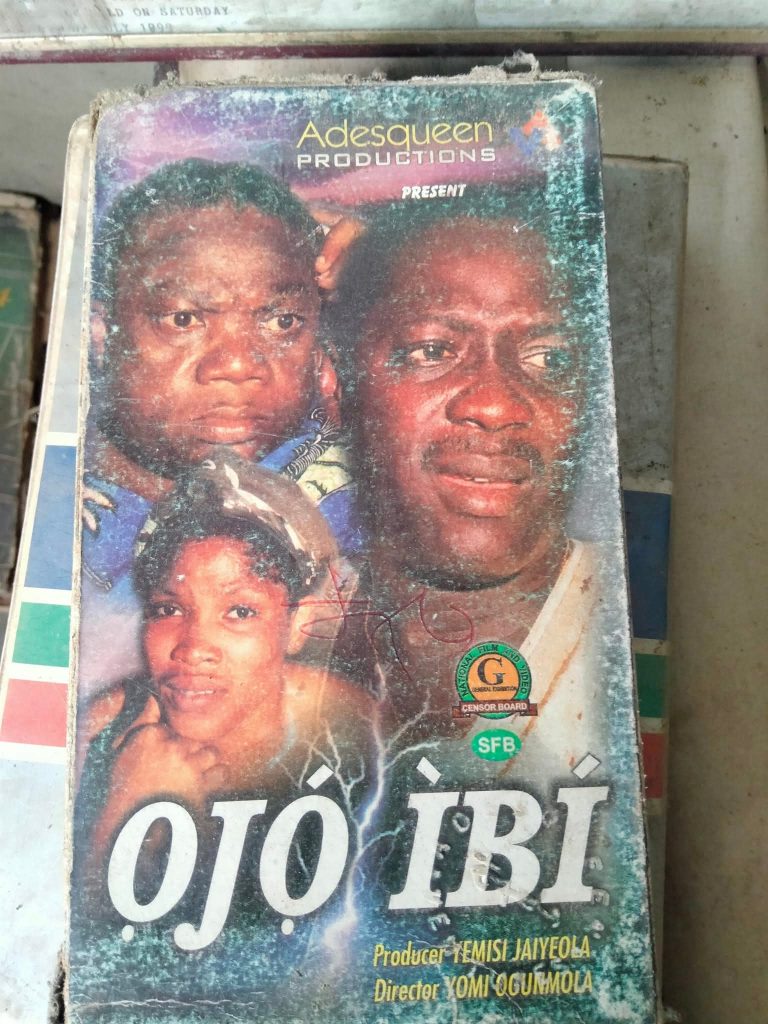
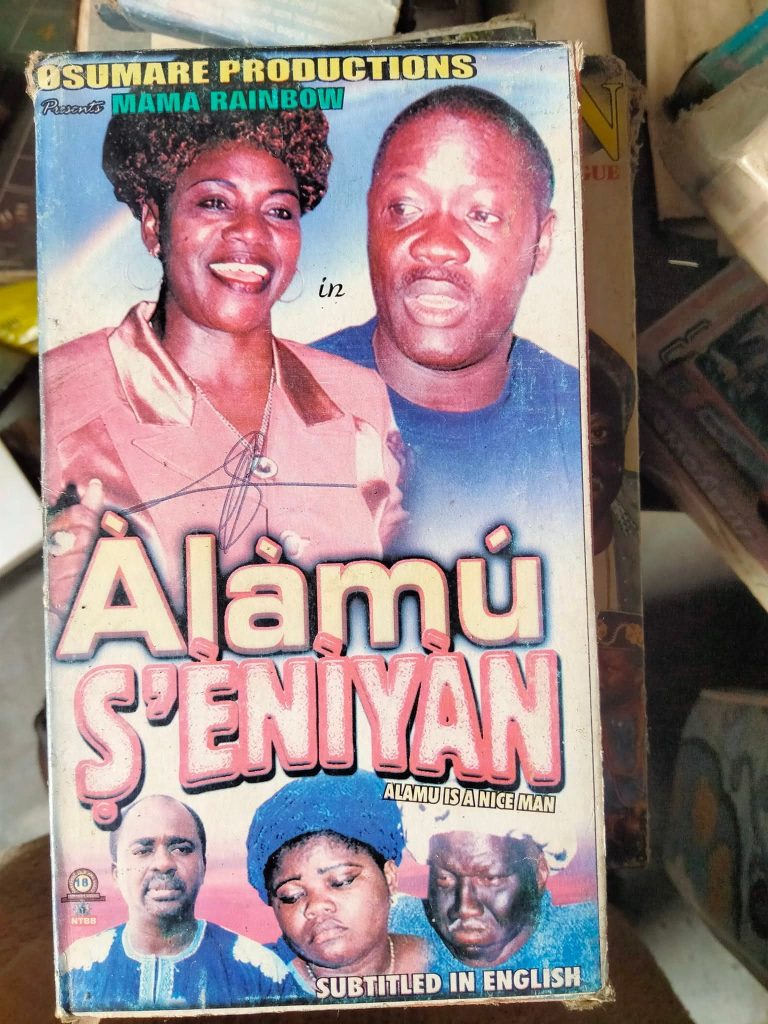
Ogogo himself has long had a relationship with ordinary people that goes beyond the characters he played. He became part of people’s childhoods. He became part of the Yoruba home-video generation.
For many people, his face is connected to a period when Nigerian cinema was not merely content. It was family entertainment.
People did not just watch Ogogo. They grew up with him. That distinction matters.
Look at who is standing around him
What has struck me most is the generational breadth of the support. This is not simply the old guard praying for one of their own. Prince Jide Kosoko is there. Agbaakin Yinka Quadri is there. Madam Saje is there. Mr Latin is there. Younger actors are speaking.
Filmmakers are involved. People who encountered Ogogo at different stages of his career are responding.
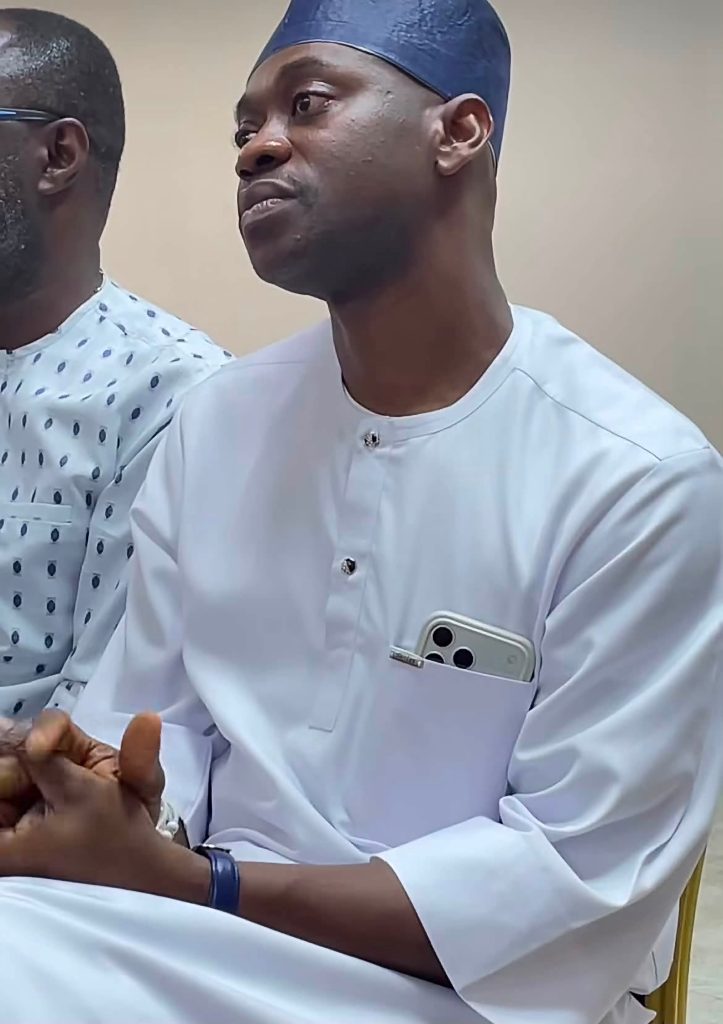
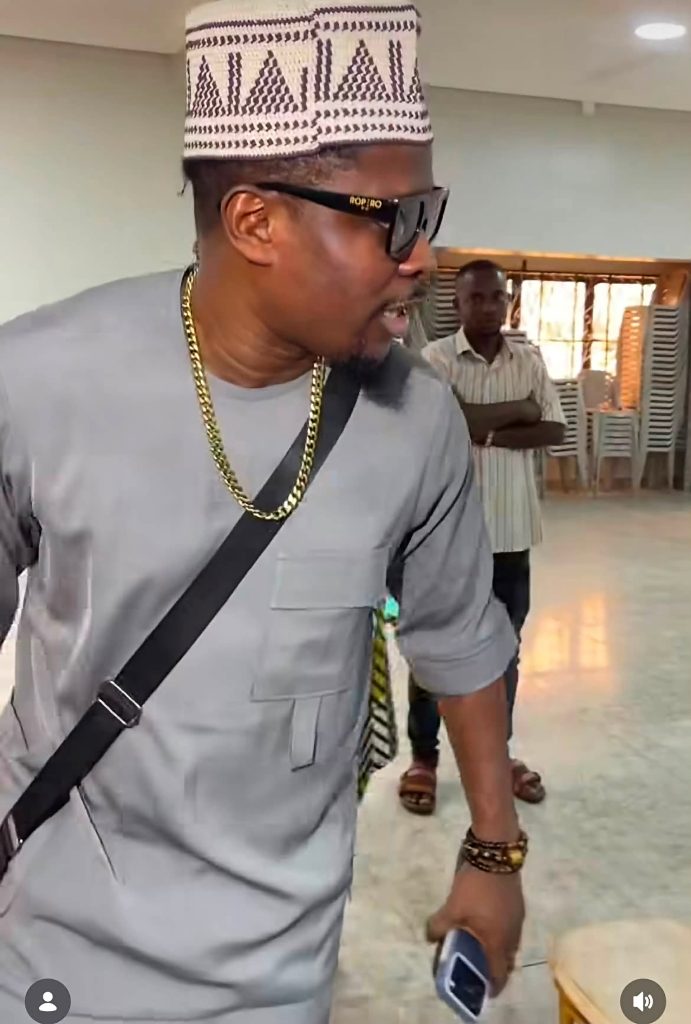
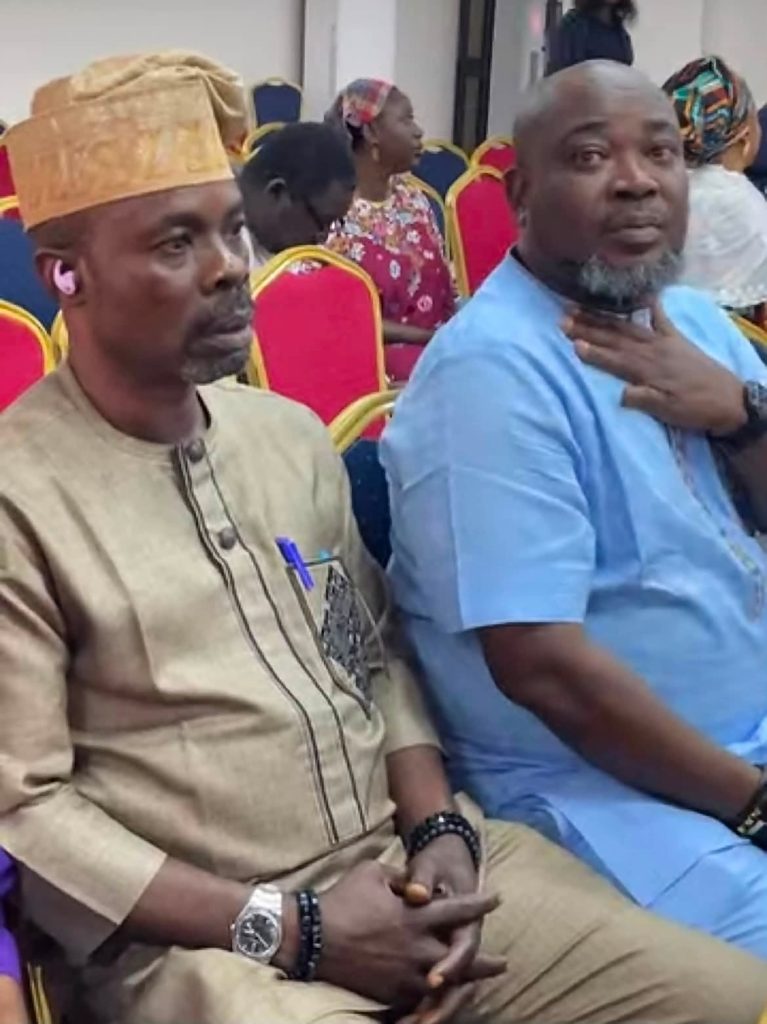
That tells me something about his place in the industry. Ogogo has not merely survived Nollywood. He has participated in building the ecosystem that produced people who came after him.
Agbaakin Yinka Quadri has previously spoken about how he, Ogogo and others emerged from the old theatre structures and eventually formed their own Theatre Group at Odunfa street in Lagos state.
This is how industries are actually built.
Not by one person. By relationships. By helping somebody get a role. By opening a door. By introducing somebody to a producer. By standing beside a colleague during a difficult season. By being the person somebody remembers years later.
When illness arrives, people remember.
And then there is politics
I will say this plainly. I do not subscribe to the APC or its policies, or even partisan politics even though philosophers have submitted that man is a political animal, we play politics in one form or the other everyday.
My political position is my political position. But it would be intellectually lazy for me to imagine that everybody must see politics through my eyes.
Ogogo has chosen to associate with Bola Ahmed Tinubu and with politicians such as Yayi. He has publicly expressed his support for Tinubu.
Some people did not like the manner or tone of some of those interventions. I understand that.
But I also understand the history.
For decades, Tinubu has maintained relationships with sections of the Lagos and Yoruba entertainment community. TAMPAN’s own burial committee described him in 2017 as a National Grand Patron when it sought his help after Moji Olaiya died in Canada.
Tinubu provided the financial support required to bring Olaiya’s remains and her two-month-old baby back to Nigeria.
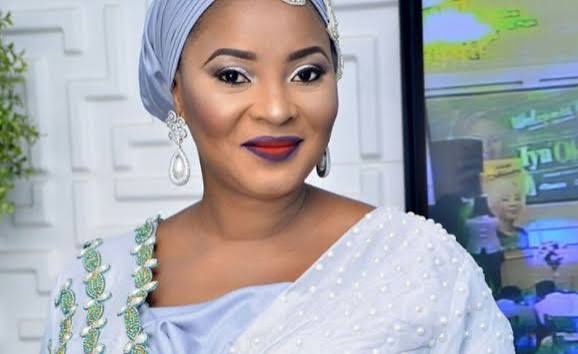
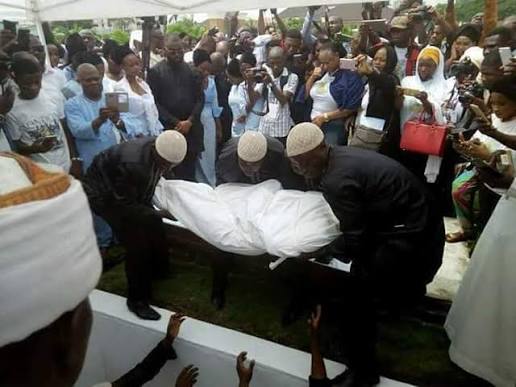
That was not the only time he publicly engaged the creative community. He mourned Mr Ibu and Sisi Quadri in 2024 and expressed support for the creative community.
So when some of these actors stand firmly around Tinubu, it is possible to understand the relationship without becoming a supporter of their politics.
That distinction is important. People are not machines programmed to agree with us. They have histories. They have relationships. They remember who opened a door for them. They remember who answered their call. They remember who stood beside them when they needed help.
That does not mean their political choices are always correct. It does not mean government policy should be excused because somebody has helped an actor.
And it certainly does not mean artists should gamble away the welfare of millions of Nigerians because of personal relationships with politicians.
That is another argument for another day.
Today, I am simply saying this; understanding why somebody behaves differently from you is not the same thing as agreeing with the person.
And therefore, I cannot understand the mockery of Ogogo because of his political affiliation.
A man is sick. He needs help. If the people he supports are now helping him access medical care, let us acknowledge that human fact without turning it into a political endorsement.
Indeed, the larger demand should be that every Nigerian, irrespective of who they support politically, should have access to quality healthcare.
That is the standard we should fight for.
We should also be careful not to turn actors into something they are not
There is another uncomfortable truth here. These people are actors. They live in performance. They speak to cameras. They understand drama.
Sometimes they carry the character outside the set. Sometimes they misjudge the room. Sometimes they say things we find embarrassing.
That should not surprise us.
We made them celebrities. We placed microphones in their hands. We invited them to speak for themselves and sometimes for us. We cannot suddenly demand that every one of them develop the political sophistication of a professor of political science.
They should, however, learn sensitivity.
There is a time to perform and a time to understand the weight of the moment. The camera should not always be a stage.
Ogogo is an Alagbe, as we jokingly say in Yoruba, one of those artistes whose world has always been closely tied to performance.

That theatrical instinct can be charming. It can also become dangerous when the seriousness of the moment demands restraint.
We can love the actor and still criticise the performance. That is what mature society does.
But why Ogogo?
Maybe the answer is hidden in something Senator Yayi said about him in 2019. He described Ogogo as compassionate, someone who could go out of his way for people when he believed in what he was doing.
Perhaps that is the secret. Perhaps Ogogo has spent decades collecting people. Not followers. People. And there is a difference. The currency of life is not always money.
Sometimes it is memory. Somebody remembers that you helped him twenty years ago. Somebody remembers that you gave her a chance. Somebody remembers that you showed up. Somebody remembers that you laughed with them when they had nothing. Somebody remembers that you treated them as a human being before they became successful.
Then one day, you are the one lying down. And they come. That may be what we are seeing around Ogogo.
But let us not wait for another Ogogo
This is where the movie practitioners deserve more than applause. What they have done since the news broke is commendable. They should keep doing it.
But they should also build a system from this moment. If Ogogo’s illness has shown anything, it is that Nigeria’s creative industry has enormous capacity for solidarity when it chooses to deploy it.
Let this not end with Ogogo.
Let the industry create a welfare mechanism that identifies ailing members early. Let there be a medical support register. Let senior practitioners be monitored. Let younger actors understand that today’s colleague can become tomorrow’s lifeline.
Let those who have money contribute. Let those who have influence use it. Let those who have access to hospitals use that access.
And let prayer remain part of the equation for those who believe in it. Because today it is Ogogo. Yesterday it was somebody else.
Today, as I write this, another veteran, Yomi King, popularly known as Opebe, is also battling an undisclosed illness. Kunle Afod visited him on Friday and appealed publicly for help. Opebe said he had been dealing with the problem since last year, undergone several tests and received four pints of blood after doctors found that his blood level was low.
That is another warning. We should not need a viral video before we remember our elders. We should not need a stage-four diagnosis before we discover that somebody who entertained us for decades is still alive and needs help.
The same people who are gathering for Ogogo must find a way to gather for Opebe. And for the next person. And the next.
Do you want to advertise with us?
Do you need publicity for a product, service, or event?
Contact us on WhatsApp +2348033617468, +234 816 612 1513, +234 703 010 7174
or Email: validviewnetwork@gmail.com
CLICK TO JOIN OUR WHATSAPP GROUP
Perhaps that is Ogogo’s greatest lesson
I began by asking what is special about Taiwo Hassan. I think I have an answer, though perhaps not the complete one.It may be his talent.
It may be his longevity. It may be the characters he gave us. It may be his generosity. It may be his friendships. It may be his ability to move across social, political, religious and professional lines.
Or it may simply be that he has spent enough of his life making people feel that they mattered.
Whatever the answer is, the harvest is now visible. A politician is paying bills. Actors are praying. Younger colleagues are calling. Older colleagues are standing beside him.
People who have never met him are asking how they can help.
And somewhere outside the glare of the cameras, ordinary Nigerians are praying for a man whose movies once gave them laughter.
That is the part that interests me most. We spend so much time chasing money, titles, political relevance and applause.
Ogogo’s illness is reminding us that there is another form of wealth. To be remembered kindly when you can no longer do anything for anybody.
That is wealth. To have people stand up when you fall. That is wealth. To have people pray for you when you cannot pray for yourself. That is wealth. To have younger people defend the dignity of your old age because you once helped build the road they are walking on. That is wealth.
May Allah grant Alhaji Taiwo Hassan, Ogogo, healing and strength. May the same mercy reach Opebe and every other person quietly fighting an illness away from the cameras.
And may the people who have gathered around Ogogo understand that they have started something bigger than one man’s recovery. They have reminded us of what an industry, a community and perhaps a country can look like when humanity comes before politics.
May they not stop. Happy weekend.
Your write ups have been thoughtful and inspiring. God bless you immensely. I just read the write up on Facebook on the processes that can lead to cancer. It contained deeper, clearer and simpler analysis on evolution of cancer in human body systems. I have started following you. I equally joined your WhatsApp group. Following you really worth it.