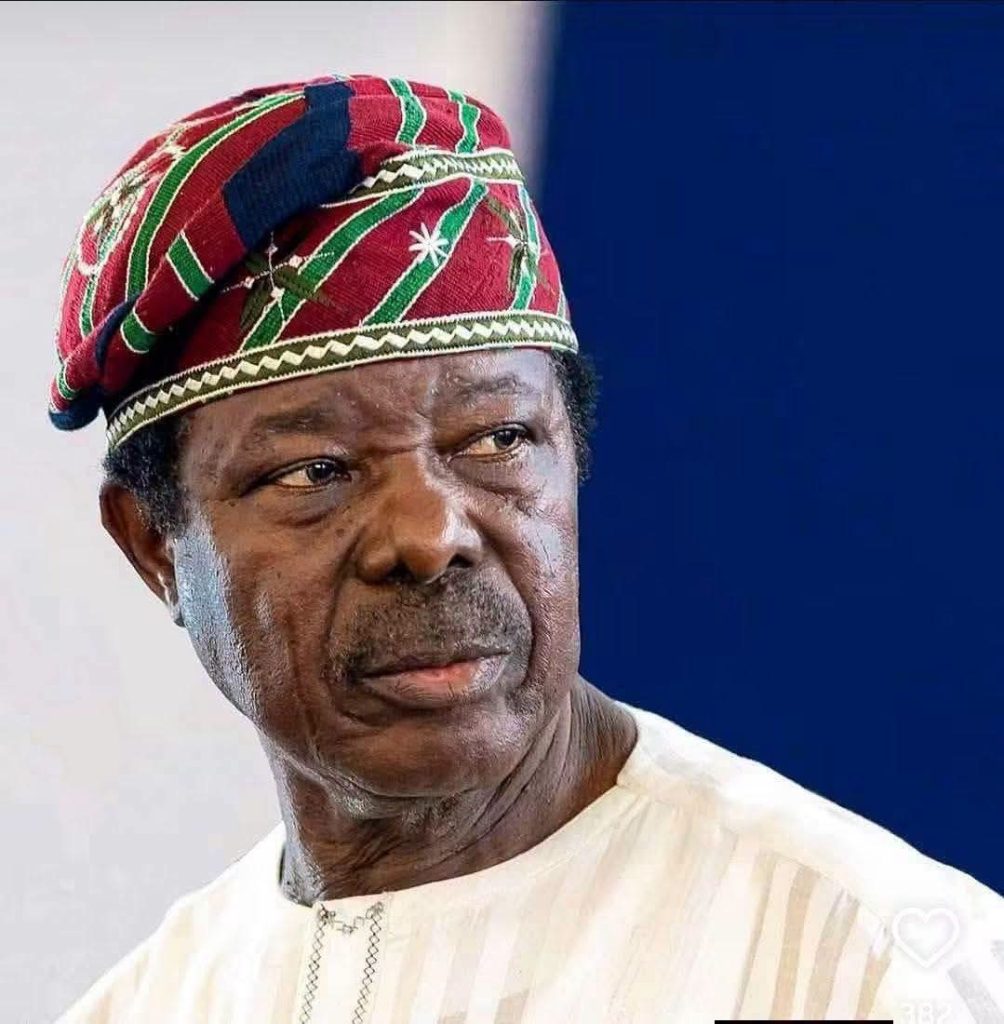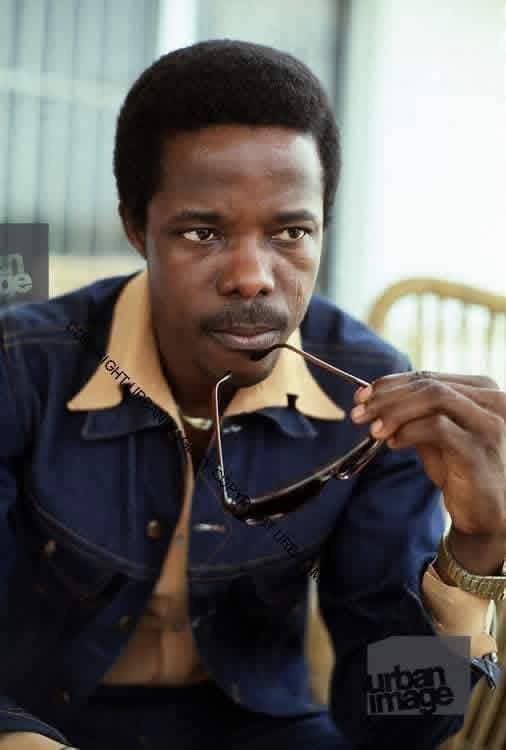

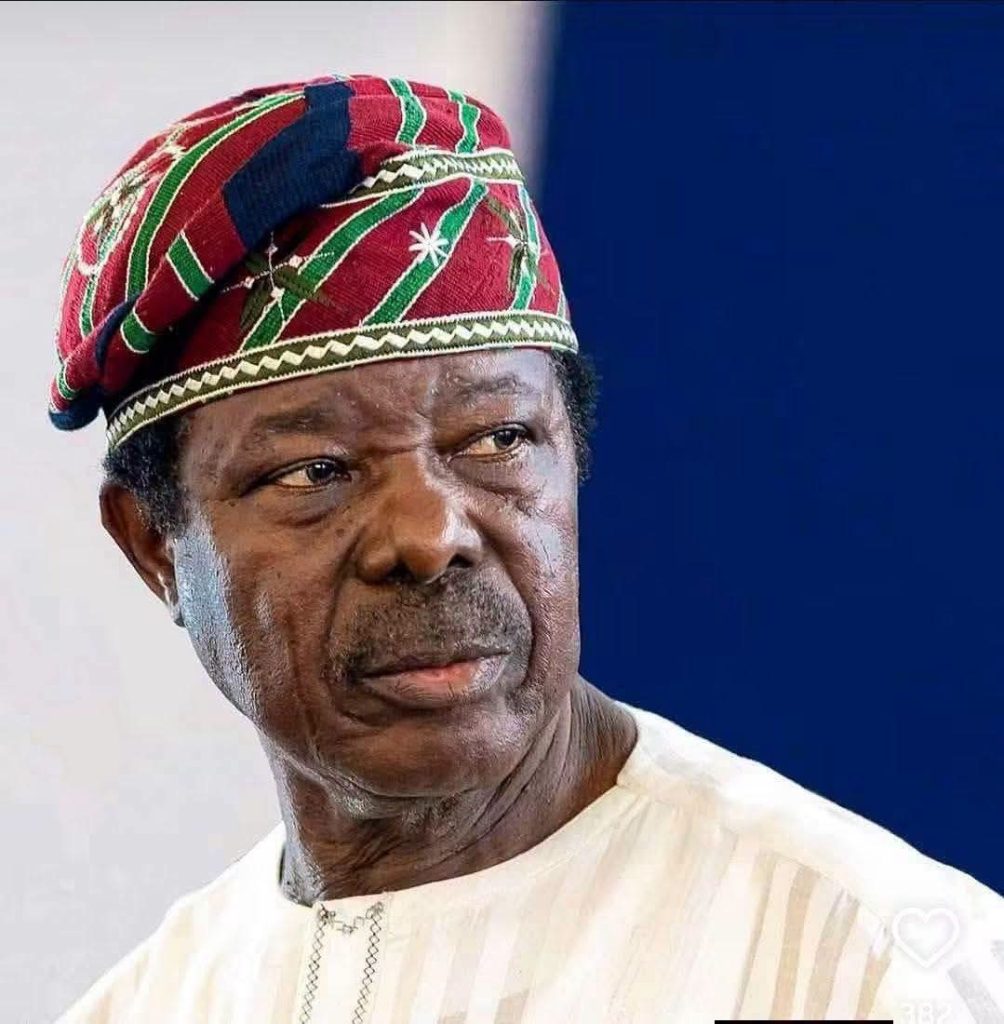
The music plays on. Today, Nigeria and the world pause to honour Sunday Adeniyi Adegeye—Chief, Member of the Order of the Federal Republic, and the undisputed King of Juju—as he turns 80. Born on 22 September 1946, the man the world knows as King Sunny Ade has spent more than six decades transforming a local Yoruba sound into a global language of rhythm, joy and cultural pride. His story is not merely one of longevity; it is the tale of an artist who took the talking drum, the pedal steel and the call-and-response of his people and made them dance on stages from Lagos to London, New York to Tokyo.
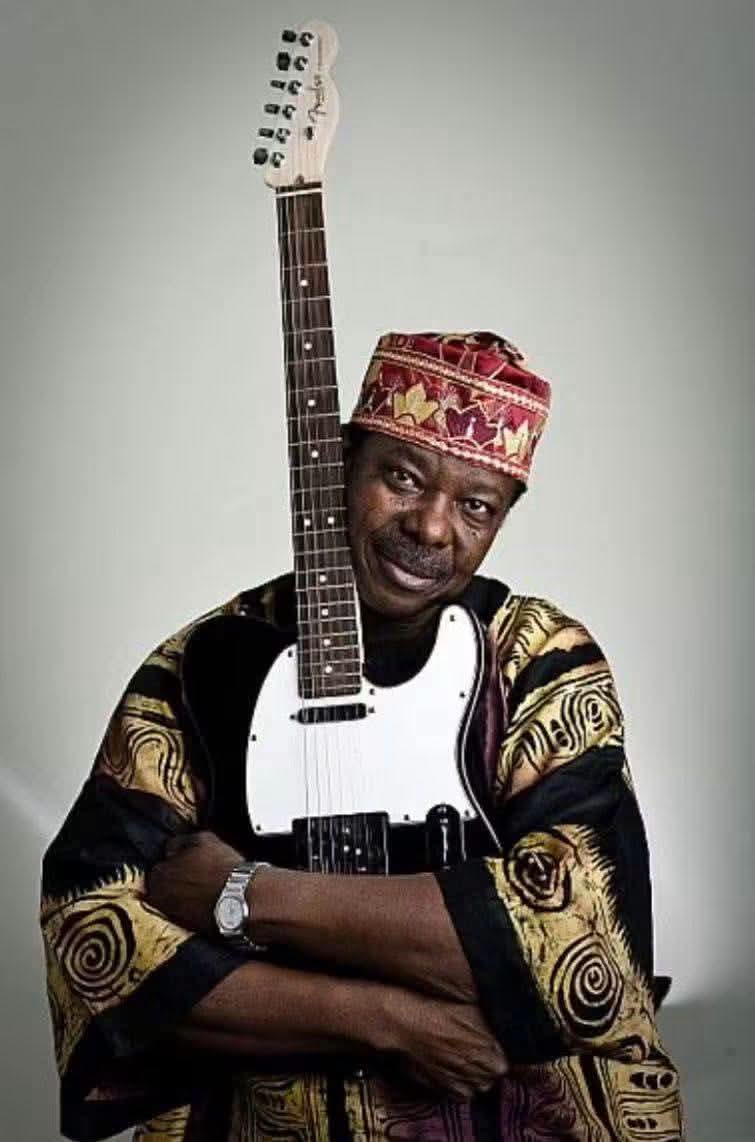
Born in Osogbo to a family with royal ties to Ondo and Akure, young Sunday grew up between the solemn notes of his father’s church organ and the vibrant market life of his mother, Maria, a trader. Royalty and poverty sat side by side in his early years. He left grammar school under the pretence of university studies in Lagos and instead plunged into the city’s thriving music scene. Apprenticeship with Moses Olaiya’s Federal Rhythm Dandies introduced him to highlife; by the mid-1960s he had formed his own band, first the Green Spots, later the African Beats. What began as local praise music and party anthems soon became something larger.
Juju, the genre Ade inherited and then reinvented, is a sophisticated weave of Yoruba oral tradition, intricate percussion, multiple guitars, talking drums and call-and-response vocals. Before him, it was largely a working-class urban sound. Ade expanded the ensemble—sometimes to more than twenty musicians—introduced synthesizers, Hawaiian-style steel guitar and rock-inflected arrangements, yet never abandoned the cultural core. Albums such as Sound Vibration and The Royal Sound in the late 1970s crowned him King of Juju at home.
Then came the international breakthrough.
In 1982 Island Records released Juju Music. The album, followed by Synchro System (1983) and Aura (1984), introduced Western audiences to a fresh, hypnotic dance music that blended African polyrhythms with reggae-dub space and pop accessibility. Synchro System earned Ade the first Grammy nomination ever received by a Nigerian artist. A second nomination arrived in 1999 for Odu. Critics hailed him as a pioneer of the world-music movement; some even dubbed him the “African Bob Marley.” He performed across continents, appeared in films, and proved that African popular music could command global stages without surrendering its identity.
That same identity remains relevant today. Juju’s DNA runs through the Afrobeats that now fills stadiums and streaming charts. When younger stars genuflect to elders or sample talking-drum patterns, they are echoing the path Ade cleared. Alongside his contemporary Ebenezer Obey, he modernised and commercialised the genre during Nigeria’s oil-boom years, turning praise-singing into both art and industry. While fuji later rose and juju’s commercial dominance waned, Ade’s catalogue continues to soundtrack weddings, celebrations and quiet evenings across the Yoruba world and beyond. His music has always carried more than rhythm: social commentary, moral reflection, national unity and the quiet assertion that African creativity needs no apology.
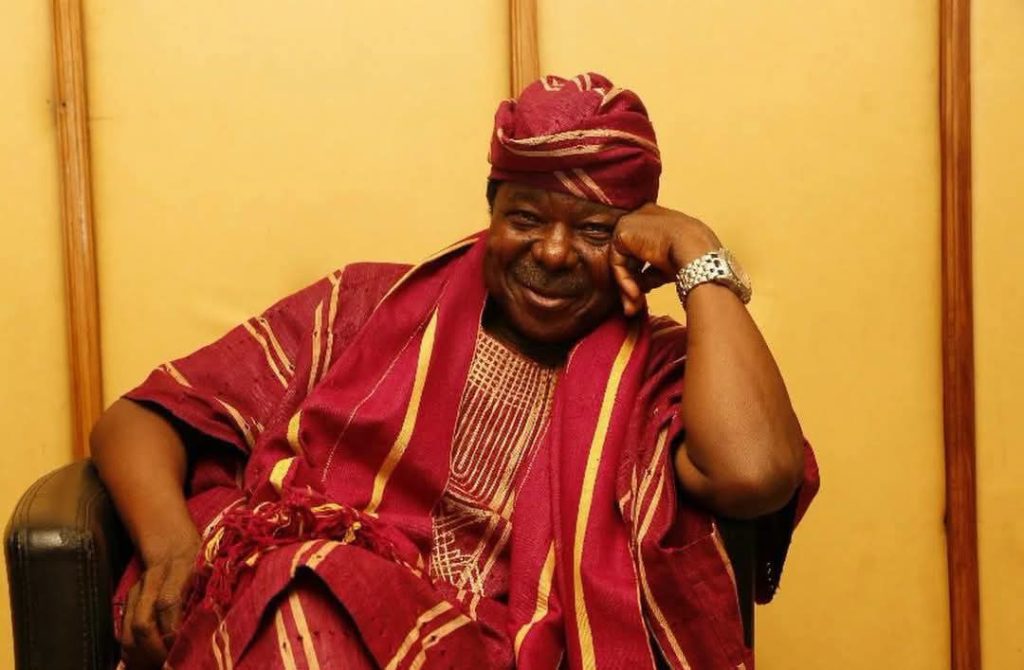
Beyond the stage, Ade built an economic empire that mirrored his musical ambition. He founded his own label, Sunny Alade Records, and invested in oil, mining, film and video production, a nightclub, a public-relations firm and a specialised African record label. Reports place his net worth in the region of $55 million—figures that reflect decades of relentless performance, shrewd business and the enduring commercial power of his sound. He established the King Sunny Ade Foundation to nurture young musicians and has long advocated for artists’ rights as chairperson of the Musical Copyright Society of Nigeria. In 2006 he received the national honour of Member of the Order of the Federal Republic.

Family life for a man of his stature has always been expansive and, at times, private. Ade has openly identified as a polygamist; accounts speak of several wives and more than fifteen children. He has spoken of keeping his home united and of prioritising education for his offspring, having himself forgone formal higher learning for the call of music. In recent days fellow legend Ebenezer Obey has led tributes, describing Ade’s journey as a testament to uncommon grace and brotherhood. Younger musicians and industry bodies continue to salute the living archive he represents.
At 80, King Sunny Ade remains more than a nostalgic figure. He is living proof that tradition and innovation need not be enemies. His guitar still sings, his band still sways, and the talking drums still speak. In an era when Nigerian music commands the planet, it is worth remembering that the King of World Beats helped open those doors decades ago—without ever leaving the cultural ground that made him.
Let the music play on. Happy 80th birthday, Kabiyesi. May the rhythms you gave the world continue to carry us forward.
Do you want to advertise with us?
Do you need publicity for a product, service, or event?
Contact us on WhatsApp +2348033617468, +234 816 612 1513, +234 703 010 7174
or Email: validviewnetwork@gmail.com
CLICK TO JOIN OUR WHATSAPP GROUP