



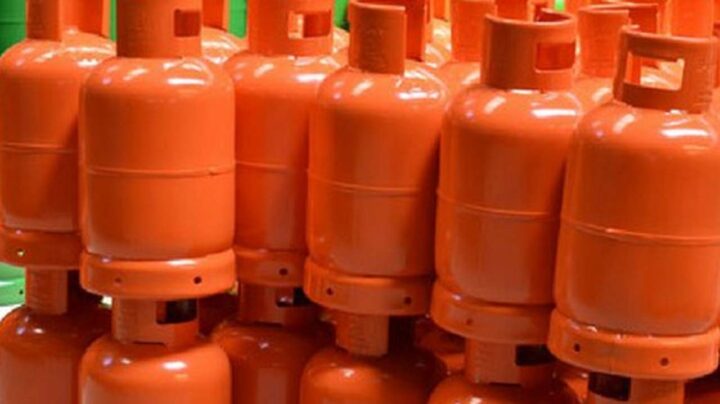
The Senate Committee on Gas Resources has voiced strong concern over the persistent shortfall in Liquefied Petroleum Gas (LPG) reaching the domestic market, warning that the gap risks derailing government efforts to bring down the cost of cooking gas for ordinary Nigerians.
Committee Chairman Senator Jarigbe Jarigbe (Cross River North) made the observation during an interface with industry stakeholders on export remittances and local LPG supply. He stressed that the current situation runs counter to the goals of Presidential Executive Order 9, issued by President Bola Tinubu on 13 February 2026. That order was designed to guarantee adequate domestic availability of gas, improve revenue remittances from exports, and ultimately lower prices for consumers.
“Sufficient LPG must be made available locally to ease the financial burden on Nigerians,” Jarigbe underscored. He assured stakeholders that the committee would maintain pressure on key players, including Chevron, the Nigerian Upstream Petroleum Regulatory Commission (NUPRC) and the Nigerian National Petroleum Company Limited (NNPCL), to close the supply gap and deliver the intended price reduction.

A representative of the NUPRC, Enorense Amadasu, explained that the relevant offshore facility had originally been designed around export evacuation arrangements for both the Nigerian side and its joint-venture partner, Chevron. He pointed to infrastructure and logistical bottlenecks as major obstacles preventing more offshore LPG from reaching the domestic market.
The committee plans to continue its engagement with stakeholders next Tuesday as it seeks practical solutions to the supply shortfalls, stronger export revenue remittances and greater availability of cooking gas for households.
The Senate’s intervention comes against a backdrop of stubbornly high retail prices despite improved domestic production. Industry data show that local sources now account for more than 90 per cent of LPG receipts, yet stock cover remains well below the recommended 30-day safety threshold and daily consumption often outstrips available supply. Consumers in several states continue to pay between ₦1,200 and ₦2,000 per kilogramme, with some locations recording even higher rates, keeping pressure on household budgets.
Do you want to advertise with us?
Do you need publicity for a product, service, or event?
Contact us on WhatsApp +2348033617468, +234 816 612 1513, +234 703 010 7174
or Email: validviewnetwork@gmail.com
CLICK TO JOIN OUR WHATSAPP GROUP
Marketers and regulators have repeatedly highlighted distribution challenges, higher depot prices and logistical constraints as key drivers of the elevated costs. Efforts by the Nigerian Midstream and Downstream Petroleum Regulatory Authority (NMDPRA) and the Nigeria LNG Limited (NLNG) to boost domestic supply and stabilise prices are ongoing, including plans to expand NLNG’s LPG contribution to the local market.
By keeping the focus on both export performance and domestic delivery, the Senate Committee aims to ensure that Nigeria’s gas resources translate into tangible relief for citizens rather than remaining locked in supply-chain bottlenecks.