



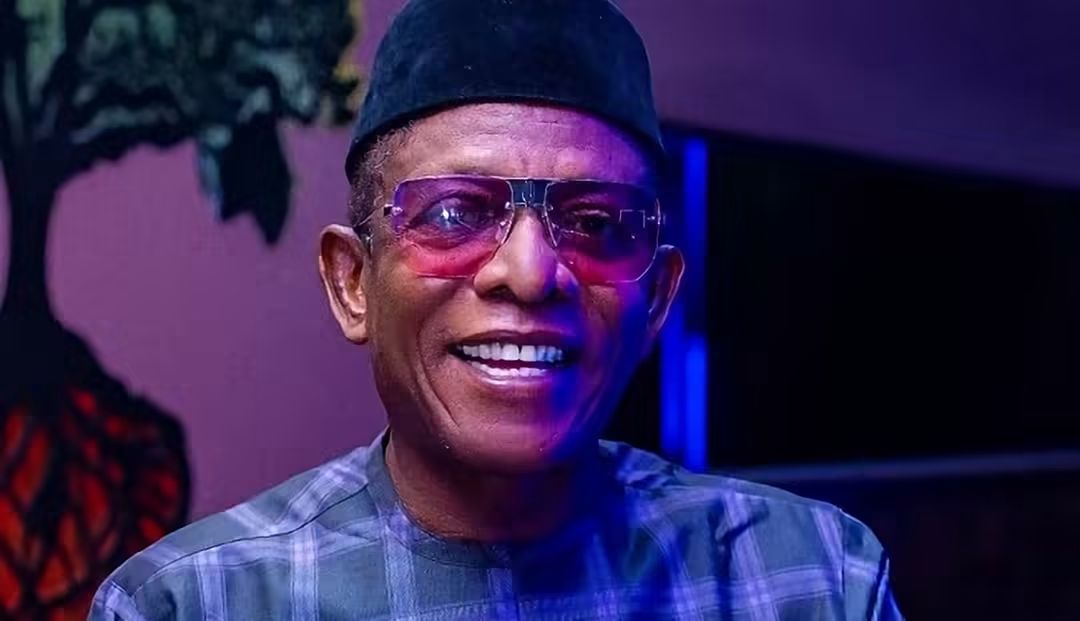
Veteran Nollywood actor Nkem Owoh, famously known as Osuofia, has cleared the air regarding the historical origins of Nigeria’s film and home-video industry, asserting that Yoruba filmmakers pioneered home videos rather than the broader umbrella of “Nollywood”.
Osuofia made the distinction during an appearance on the popular web interview show Curiosity Made Me Ask, hosted by comedian and content creator Adebayo Abidemi (Bae U).
Clarifying the Historic Divide
The veteran actor addressed widespread misconceptions surrounding comments attributed to him regarding ethnic contributions to the nation’s cinema. The debate gained intense traction following arguments by the late veteran actor Francis Duru, who maintained that Igbo entrepreneurs largely drove the commercial explosion of the modern home-video market during the 1990s and early 2000s.
Addressing the confusion, Osuofia explained that the term “Nollywood” did not exist when he and his contemporaries began their careers in filmmaking.

”First of all, you have given me this wrong accusation that I said Yoruba started Nollywood. No. Yoruba started this film on… when did Nollywood come out? When we started the thing, there was no Nollywood as a name. We sat together and we’re banding ideas and all that, how the thing is going to come to fruition. And eventually, we chose Nollywood.”
Honoring the Pioneers
Praising the foundational efforts of early Yoruba theatre and film icons, Osuofia specifically highlighted legendary figures like Hubert Ogunde for popularizing the home-video format and dramatic storytelling long before the commercial boom.
- The Stage Era: Historical accounts show that Yoruba traveling theatre groups—spearheaded by icons like Hubert Ogunde and Duro Ladipo—seamlessly transitioned from stage performances to early celluloid and video productions decades prior to the 1990s boom.
- The Distinction: Osuofia reiterated that while Yoruba artists and entrepreneurs popularized early home video productions, the collective label “Nollywood” emerged much later through collaborative stakeholder consensus.
A Long-Standing Industry Dialogue
The conversation adds a fresh chapter to ongoing discussions about the multi-ethnic pillars supporting Nigerian cinema. While historical analysts frequently credit Kenneth Nnebue’s 1992 Igbo-language classic Living in Bondage with sparking the direct-to-video commercial explosion, veterans like Osuofia and the late Pete Edochie consistently emphasize the deep-rooted legacy of stage performances and early regional filmmaking that paved the way.
Do you want to advertise with us?
Do you need publicity for a product, service, or event?
Contact us on WhatsApp +2348033617468, +234 816 612 1513, +234 703 010 7174
or Email: validviewnetwork@gmail.com
CLICK TO JOIN OUR WHATSAPP GROUP