

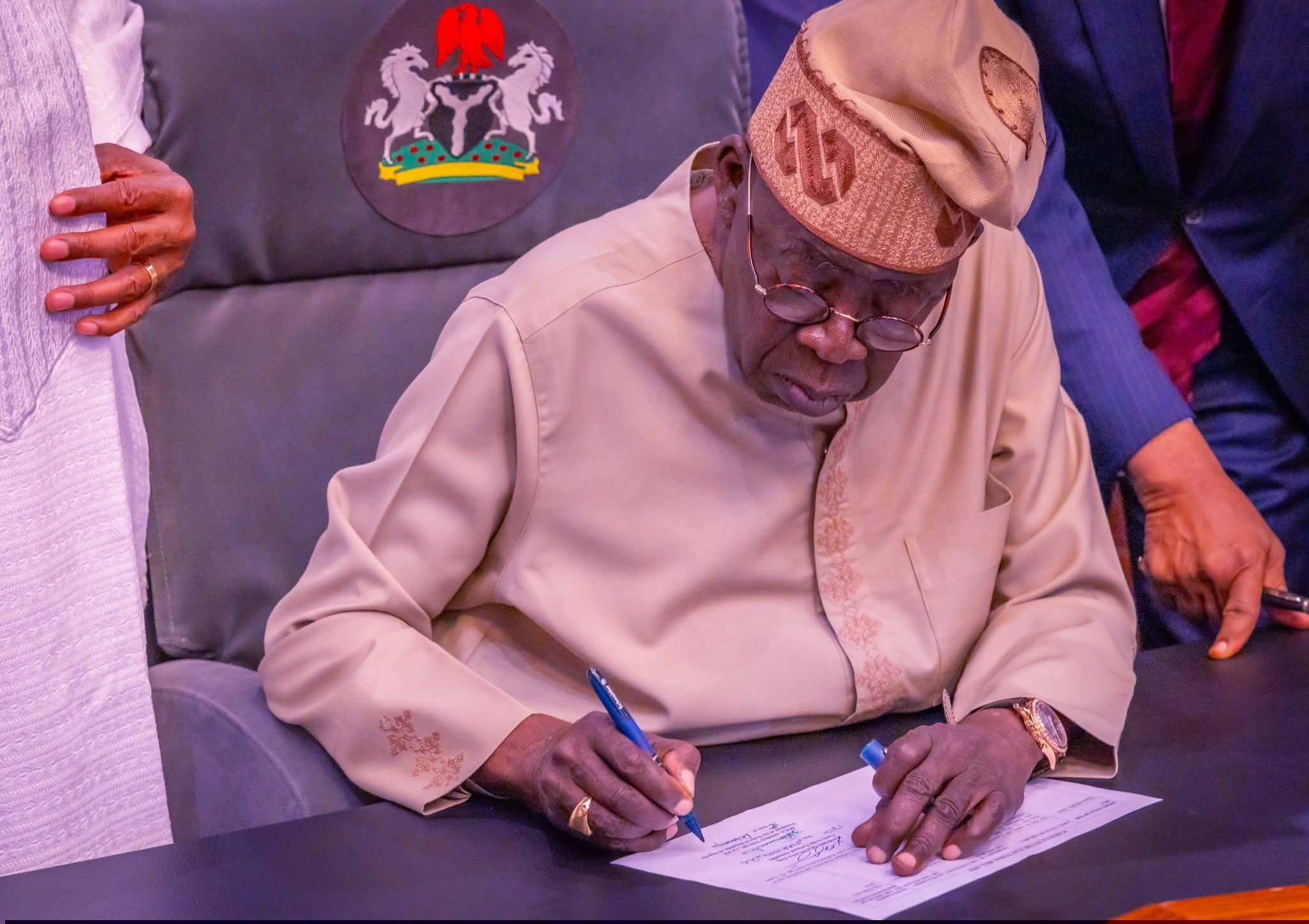
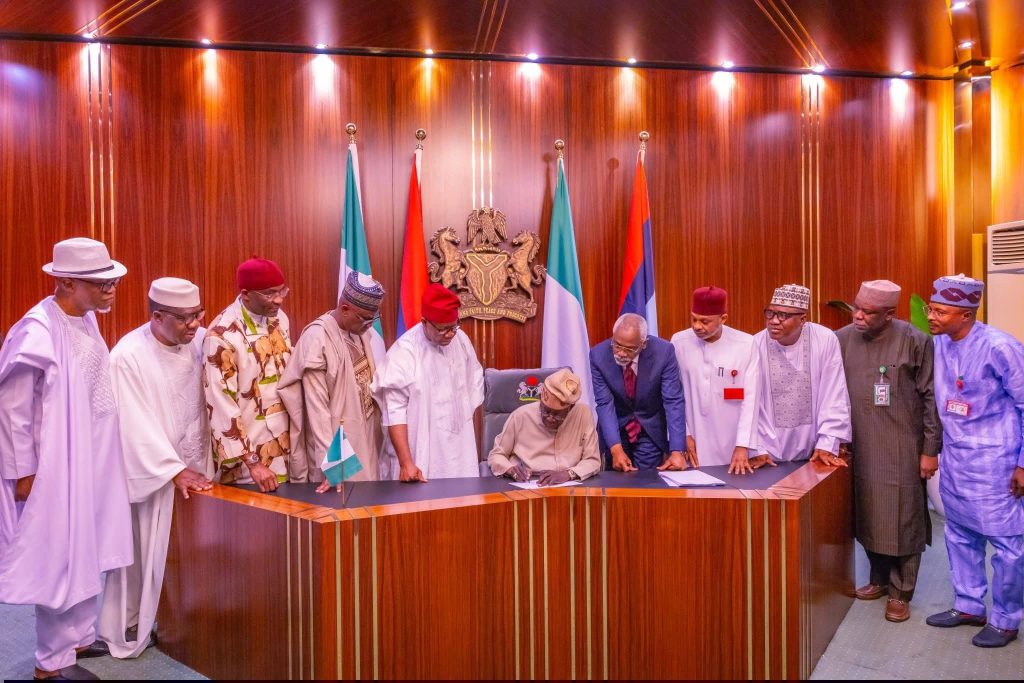
ABUJA — President Asiwaju Bola Ahmed Tinubu has officially signed the final amendments to the Electoral Act 2022 into law. The signing took place today, Wednesday, February 18, 2026, at the State House in Abuja, marking a pivotal moment in the nation’s journey toward the 2027 general elections.
The 2026 Amendment Bill, which was harmonized by the National Assembly earlier this week, introduces several critical shifts in Nigeria’s electoral framework. The reforms focus on administrative flexibility, voter registration requirements, and the technological landscape of the polling process.
Flexibility for the 2027 Timetable
A cornerstone of the new law is the adjustment of Clause 28, which reduces the mandatory notice period for elections from 360 days to 300 days. This legislative “buffer” specifically empowers the Independent National Electoral Commission (INEC) to adjust the 2027 election dates to avoid a clash with the Ramadan fasting period, ensuring higher voter turnout and logistical ease.


Technology and Transparency
In a move that sparked intense debate within the National Assembly, the final version of the law maintains a “hybrid” approach to result transmission. While the use of the Bimodal Voter Accreditation System (BVAS) is now fully codified—replacing outdated references to smart card readers—the law allows INEC the discretion to use both electronic and manual transmission methods. This was adopted to account for areas with poor internet connectivity across the country.
Key Highlights of the 2026 Amendments
- Voter Identification: The National Identification Number (NIN) is now a mandatory requirement for all new voter registrations.
- PVC Integrity: While the Permanent Voter Card (PVC) remains the sole mandatory mode of identification, the law increases fines for the buying and selling of cards from ₦2 million to ₦5 million.
- Inmate Voting: In a historic shift, the law recognizes the voting rights of prison inmates, provided INEC makes necessary logistical arrangements.
- Candidate Submission: Political parties must now submit their list of candidates at least 90 days before the general election, a reduction from the previous 180-day window.
The President described the bill as a “necessary evolution” of Nigerian democracy, emphasizing that the amendments address the weaknesses observed during the 2023 cycle.
Do you want to advertise with us?
Do you need publicity for a product, service, or event?
Contact us on WhatsApp +2348033617468, +234 816 612 1513, +234 703 010 7174
or Email: validviewnetwork@gmail.com
CLICK TO JOIN OUR WHATSAPP GROUP