



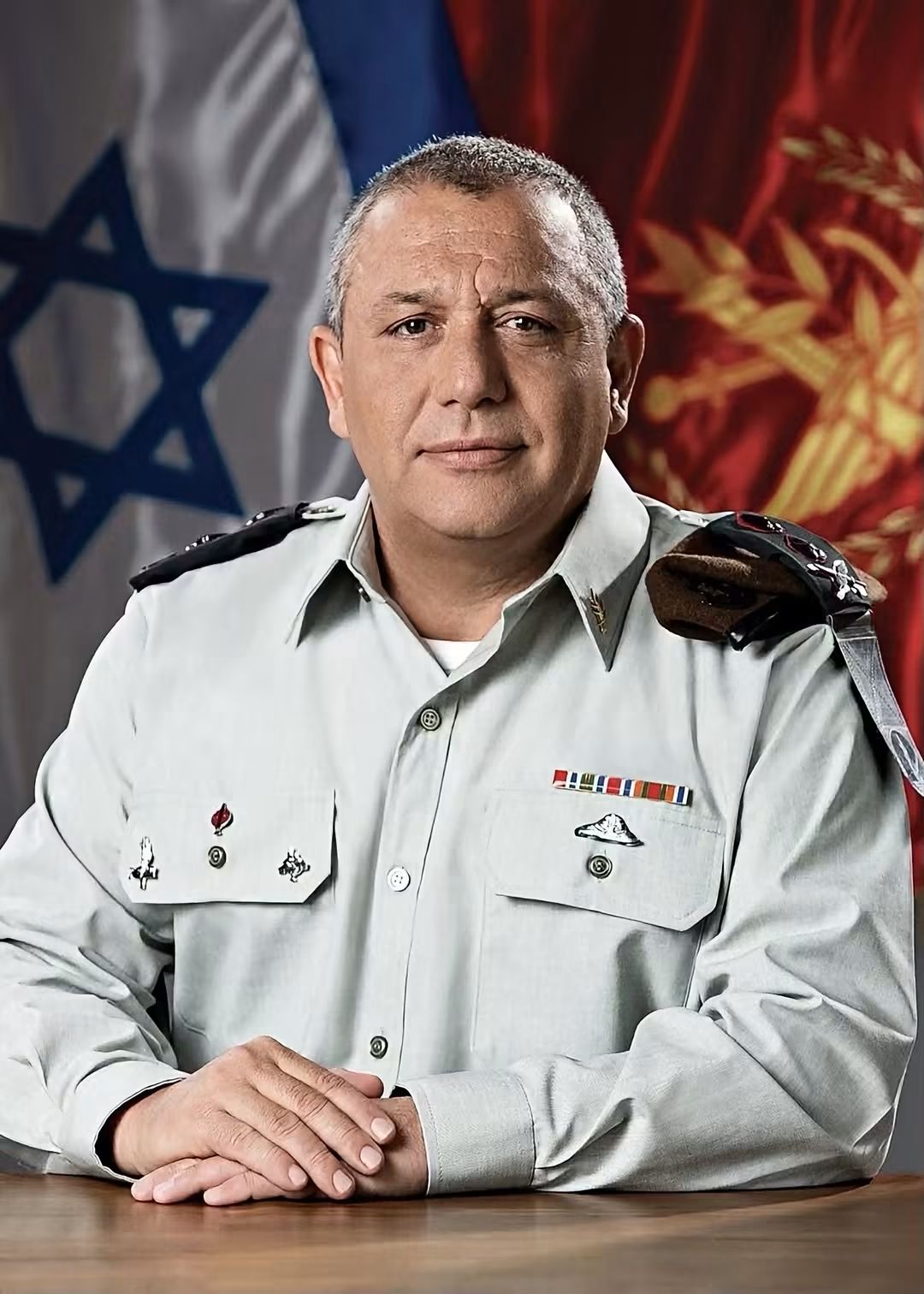
Israeli President Isaac Herzog has handed Gadi Eisenkot the mandate to form the country’s next government, giving the former military chief the first shot at ending Benjamin Netanyahu’s long grip on power after an inconclusive election.
Herzog informed Eisenkot of the decision on Saturday evening and is scheduled to formally confer the mandate in a ceremony at the President’s Residence in Jerusalem on Sunday. Eisenkot, leader of the centrist Yashar party, will then have 28 days—with a possible 14-day extension—to assemble a coalition commanding at least 61 seats in the 120-member Knesset.
The October 27 election produced a deadlock. Netanyahu’s right-wing and religious bloc secured 53 seats, while Eisenkot’s four-party alliance won 48. Neither side reached the 61-seat threshold needed for a majority. Arab-led parties—the Joint List and Ra’am—captured a historic combined 19 seats, their strongest showing on record and a surge that has placed them at the centre of the political manoeuvring.

During presidential consultations, factions representing 67 lawmakers recommended Eisenkot for the task of forming a government, compared with 46 who backed Netanyahu. United Torah Judaism declined to endorse either candidate. The decisive recommendations from the Arab parties tipped the balance in Eisenkot’s favour and persuaded Herzog that the former IDF chief of staff had the better prospect of building a viable coalition.
Eisenkot responded by calling for a “national emergency government,” writing on X: “Now is the time to form a national emergency government. I will do everything I can to ensure we are worthy.” The 66-year-old former general, who only entered electoral politics relatively recently, now faces the difficult work of translating those recommendations into a stable governing majority.
His path is far from straightforward. Elements within his own bloc have expressed reluctance about formal coalitions with Arab parties, while the ultra-Orthodox parties that traditionally partnered with Netanyahu remain potential swing players. Netanyahu, whose Likud remains the largest single party with 27 seats, stays on as caretaker prime minister and has already floated the idea of a unity arrangement.
Should Eisenkot fail to present a government within the allotted time, Herzog can turn to another candidate—most likely Netanyahu—or the process could ultimately lead to fresh elections.
Do you want to advertise with us?
Do you need publicity for a product, service, or event?
Contact us on WhatsApp +2348033617468, +234 816 612 1513, +234 703 010 7174
or Email: validviewnetwork@gmail.com
CLICK TO JOIN OUR WHATSAPP GROUP
The decision marks a significant setback for Netanyahu, Israel’s longest-serving prime minister, whose hard-right coalition lost its majority after years of polarisation and prolonged conflict. Whether Eisenkot can convert the presidential mandate into actual power will now be tested in intense coalition negotiations over the coming weeks.