


Nigeria stands at a critical juncture in its pursuit of sustainable development, grappling with escalating waste generation, environmental degradation, and climate change imperatives. The intersection of plastic recycling, circular economy frameworks, and carbon credit systems offers transformative potential to address these challenges while fostering economic resilience. This report synthesizes current initiatives, policy developments, and grassroots innovations, revealing a dynamic landscape marked by progress and persistent barriers. Key findings include Nigeria’s annual generation of 32 million tonnes of solid waste, with only 6–10% of plastics recycled due to infrastructural gaps. The Nigerian Circular Economy Roadmap (NCERM) aims to transition the nation from linear consumption by 2050, targeting sectors like agriculture, construction, and waste management. Concurrently, carbon credit projects—supported by the Climate Change Act of 2021—are emerging through solar energy and reforestation initiatives, though hindered by regulatory ambiguities and technical capacity gaps. Informal waste collectors dominate recycling efforts, providing livelihoods for thousands while exposing workers to health risks. Recent stakeholder collaborations, such as the 2025 Carbon Market Activation Workshop, signal growing institutional commitment to aligning climate action with economic diversification.

Plastic Recycling: Bridging Informal Labour and Industrial Demand
Waste Generation and Collection Dynamics
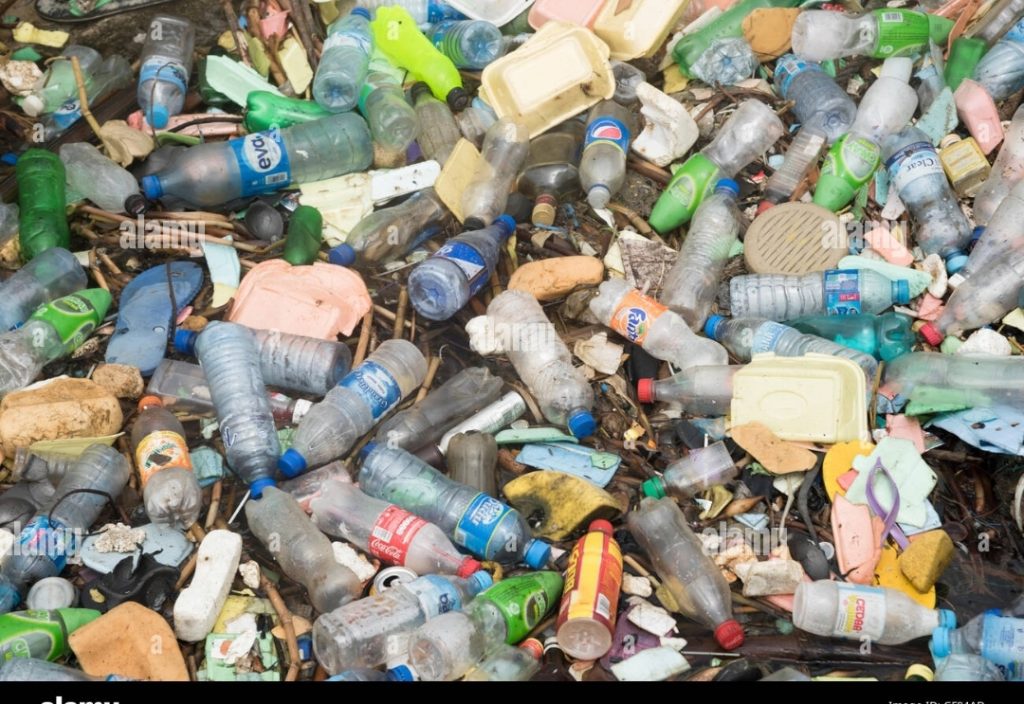
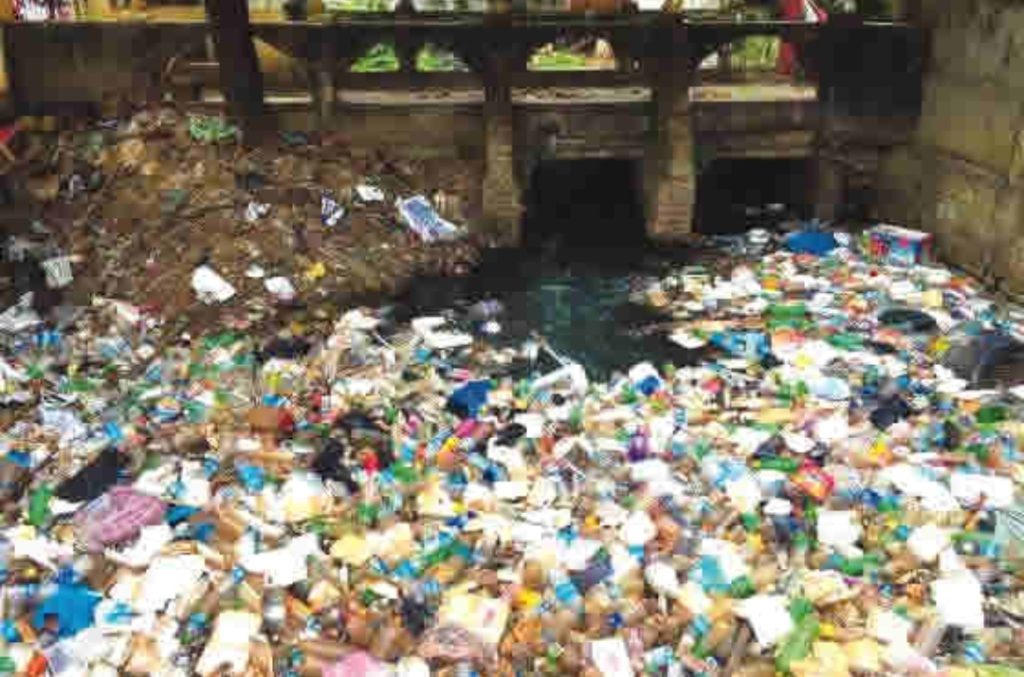
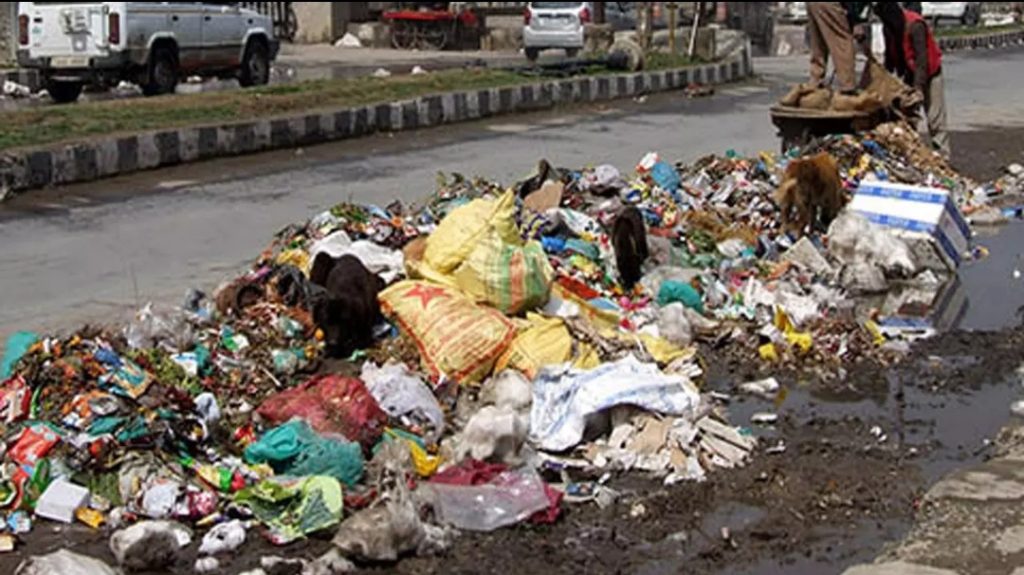
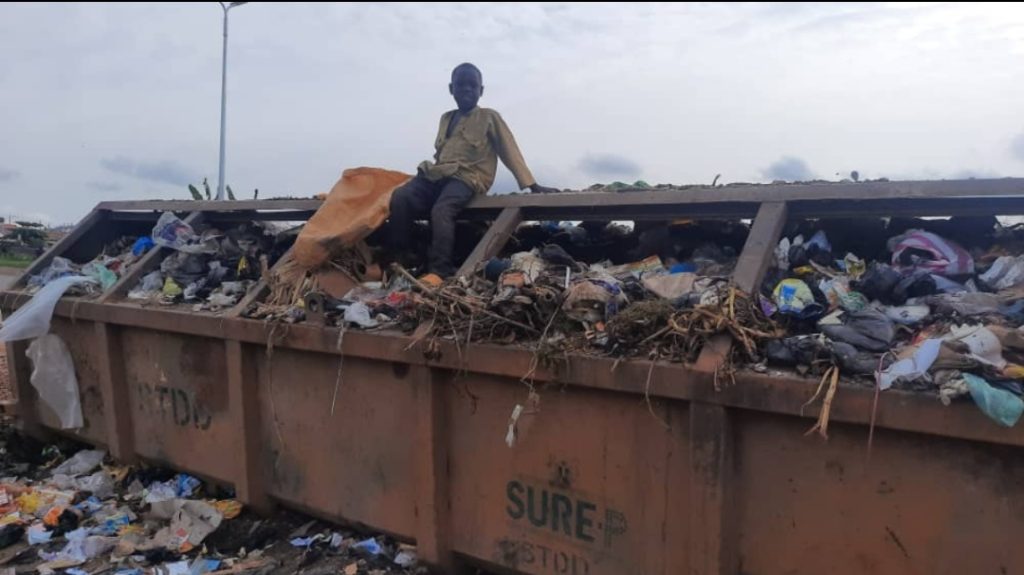
Nigeria’s plastic waste crisis is stark: 2.5 million metric tonnes of plastic enter the environment annually, with Lagos alone contributing 860,000 tonnes. The informal sector drives collection, with tens of thousands of waste pickers scavenging dumpsites and streets for PET, HDPE, and PP plastics. These materials pass through a multi-tiered chain—from collectors to middlemen—before reaching formal recyclers like Lagos-based Wecyclers and Recycle Points. While this system provides income for marginalized groups, including women like Mutiat Adeleke (a janitor-turned-collector earning supplemental wages), it suffers from inefficiencies. Contamination rates exceed 40% due to mixed waste streams, reducing the value of recyclates and necessitating labor-intensive sorting.
Technological Integration and Processing Challenges
Formal recycling facilities employ shredding, washing, and pelletizing processes to transform waste into raw materials for industries. For instance, Ecobarter’s app-based platform connects households with recyclers, offering digital credits redeemable for cash or charity donations. However, operational hurdles persist. Only 20 recycling plants operate nationally, struggling with inconsistent feedstock supply and high energy costs. De-labeling and cap removal—critical for quality control—remain manual tasks, slowing throughput. Chemical additives in plastics, such as phthalates in PVC, complicate recycling by requiring advanced separation technologies absent in most Nigerian facilities. The result is a reliance on exporting baled plastics to nations with sophisticated processing infrastructure, undermining local value addition.
Socioeconomic Impacts and Health Trade-offs
The recycling sector sustains over 100,000 informal jobs, offering a lifeline in a country where 12.2% of workers face underemployment. Collectors earn ₦500–₦1,500 daily but endure respiratory illnesses and injuries from unsanitary working conditions. Middlemen capture disproportionate profits, paying collectors ₦50 per kilogram while selling to factories for ₦200. Gender disparities persist: women constitute 70% of waste pickers but rarely ascend to managerial roles. Youth-focused programs like the US IVLPAA’s Waste to Wealth initiative aim to professionalize the sector through training in entrepreneurship and safety protocols. Despite these efforts, stigma around waste handling and limited access to protective gear perpetuate vulnerabilities.
Circular Economy Roadmap: Policy Ambitions and Ground Realities
Legislative Foundations and Multi-Sectoral Targets
The NCERM, launched in 2024, envisions decoupling economic growth from resource extraction by 2050 through seven pillars: sustainable design, reuse networks, industrial symbiosis, and digital tracking. Priority sectors include construction (promoting modular building techniques) and agriculture (composting agro-waste into fertilizers). The roadmap mandates Extended Producer Responsibility (EPR) schemes, requiring manufacturers to manage post-consumer plastics—a policy yet to be enforced due to lobbying by packaging industries. Cross-ministerial coordination is nascent, with the National Council on Climate Change (NCCC) struggling to harmonize mandates across energy, environment, and trade ministries.
Circular Innovations in Practice
Lagos-based startups exemplify circular principles:
● Ecobarter partners with informal collectors to supply recycled PET to textile firms producing polyester fibers6.
● Innoson Vehicles integrates recycled HDPE into automotive components, reducing virgin plastic use by 15%.
● FarmCorps repurposes organic waste into biogas for rural electrification,aligning with SDG7 targets.
These models highlight synergies between waste valorization and industrial demand. However, scaling remains constrained by financing; less than 5% of Nigerian banks offer green loans with favourable terms for circular businesses.
● Institutional and Infrastructural Barriers
The NCERM’s implementation faces three systemic challenges:
1.Regulatory Fragmentation: Overlapping mandates between the Federal Ministry of Environment and state-level agencies create compliance confusion.
2.Funding Gaps: Nigeria allocates only 0.3% of its annual budget to environmental projects, insufficient for circular infrastructure like material recovery facilities.
3.Technical Capacity: Few engineers possess expertise in circular design, forcing firms to hire foreign consultants at prohibitive costs. The Institute for Promotion of Maintenance Culture (IPMC) addresses this through vocational programs on sustainable infrastructure management, yet participation remains low due to awareness gaps.
Carbon Credit Markets: Navigating Regulatory and Operational Complexities
Project Development and Verification Mechanisms
Under the Climate Change Act, Nigerian companies can register emission reduction projects—from solar farms to mangrove restoration—to generate carbon credits tradable on global markets. The NCCC’s Regulatory Guidance mandates adherence to Article 6 of the Paris Agreement, ensuring credits meet internationally recognized standards like Verra’s VCS8. For example, a 20 MW solar plant in Katsina avoids 48,000 tCO₂e annually, yielding 4,800 credits sold at $15 each via the UNFCCC platform. However, project developers face stringent Monitoring, Reporting, and Verification (MRV) requirements, often relying on foreign auditors due to a shortage of local experts.
Legal Frameworks and Investor Perceptions
Nigeria’s carbon market lacks a dedicated legal framework, creating ambiguities around credit ownership and benefit-sharing. While the NCCC’s 2024 Stakeholder Engagement Workshop proposed harmonizing state-level policies, inconsistencies persist. Niger State’s green bond initiative—diverting 5% of oil revenues to afforestation—clashes with federal carbon accounting methodologies, deterring investors. Additionally, ambiguous land tenure laws complicate reforestation projects, as communities fear losing ancestral lands to carbon offset ventures.
Economic Opportunities and Equity Concerns
Carbon finance could inject $2.1 billion annually into Nigeria’s economy by 2030, yet marginalized groups risk exclusion. Women-led cooperatives manage only 12% of registered projects, reflecting gendered access to capital and technical training. The NCCC aims to redress this through capacity-building grants, but disbursement delays hinder progress. International partnerships offer hope: the UK’s COP26 funding supports Nigeria’s “Carbon4Prosperity” program, training 5,000 youths in carbon accounting by 2026.
Synergizing Systems for Sustainable Transformation
Integrated Waste-to-Value Chains
Do you want to advertise with us?
Do you need publicity for a product, service, or event?
Contact us on WhatsApp +2348033617468, +234 816 612 1513, +234 703 010 7174
or Email: validviewnetwork@gmail.com
CLICK TO JOIN OUR WHATSAPP GROUP
Linking plastic recycling with circular economy and carbon credit systems amplifies impact. For example:
Plastic-to-Fuel Initiatives: Pyrolysis plants in Ogun State convert non-recyclable plastics into diesel, earning carbon credits for displacing fossil fuels.
Circular Textiles: Lagos Fashion Week designers use recycled PET fabrics, while associated carbon offsets fund community cleanups.
Such integration requires interoperable data systems, an area explored by SAP’s “Road to Regeneration” platform, which tracks material flows and carbon savings in real time.
Empowering Communities through Participatory Governance
Grassroots engagement proves critical. The IVLPAA’s youth workshops foster micro-enterprises that bundle plastic collection with tree-planting—each venture capturing carbon while cleaning neighbourhoods. Delta State’s “EcoAmbassadors” program trains 2,000 women in circular business models, linking their co-operatives to international buyers via blockchain-enabled platforms. These models prioritize inclusive growth but require scalable financing mechanisms.
Future Pathways and Policy Recommendations
1.Strengthen Legal Frameworks: Enact a Carbon Economy Act clarifying credit ownership, benefit-sharing, and MRV standards.
2.Boost Fiscal Incentives: Introduce tax breaks for circular businesses and carbon projects with >30% community equity.
3.Enhance Technical Capacity: Expand IPMC’s training programs and integrate circular economy modules into university curricula.

4.Leverage Diaspora Expertise: Engage Nigerian expatriates in Europe and North America through skill-transfer initiatives.
Conclusion
Nigeria’s waste-to-wealth transition hinges on aligning grassroots ingenuity with robust policy frameworks. Plastic recycling—anchored by informal labor—must evolve into a regulated industry prioritizing worker safety and value-chain equity. The circular economy roadmap, while ambitious, demands urgent funding and intergovernmental coordination to transcend pilot projects. Carbon markets, though nascent, offer a viable path to climate finance if supported by transparent regulations and inclusive participation. Stakeholders must reconceptualize waste not as an externality but as a cornerstone of sustainable industrialization. As Rita Idehai of Ecobarter asserts, “Our trash heaps hold the raw materials for Nigeria’s green industrial revolution—if we dare to mine them ethically”. The coming decade will test whether Nigeria can transform its waste streams into engines of equitable growth, setting a precedent for the Global South.
‘Tunde Akingbulugbe
Registrar/Chief Executive Officer
Institute for Promotion of Maintenance Culture