

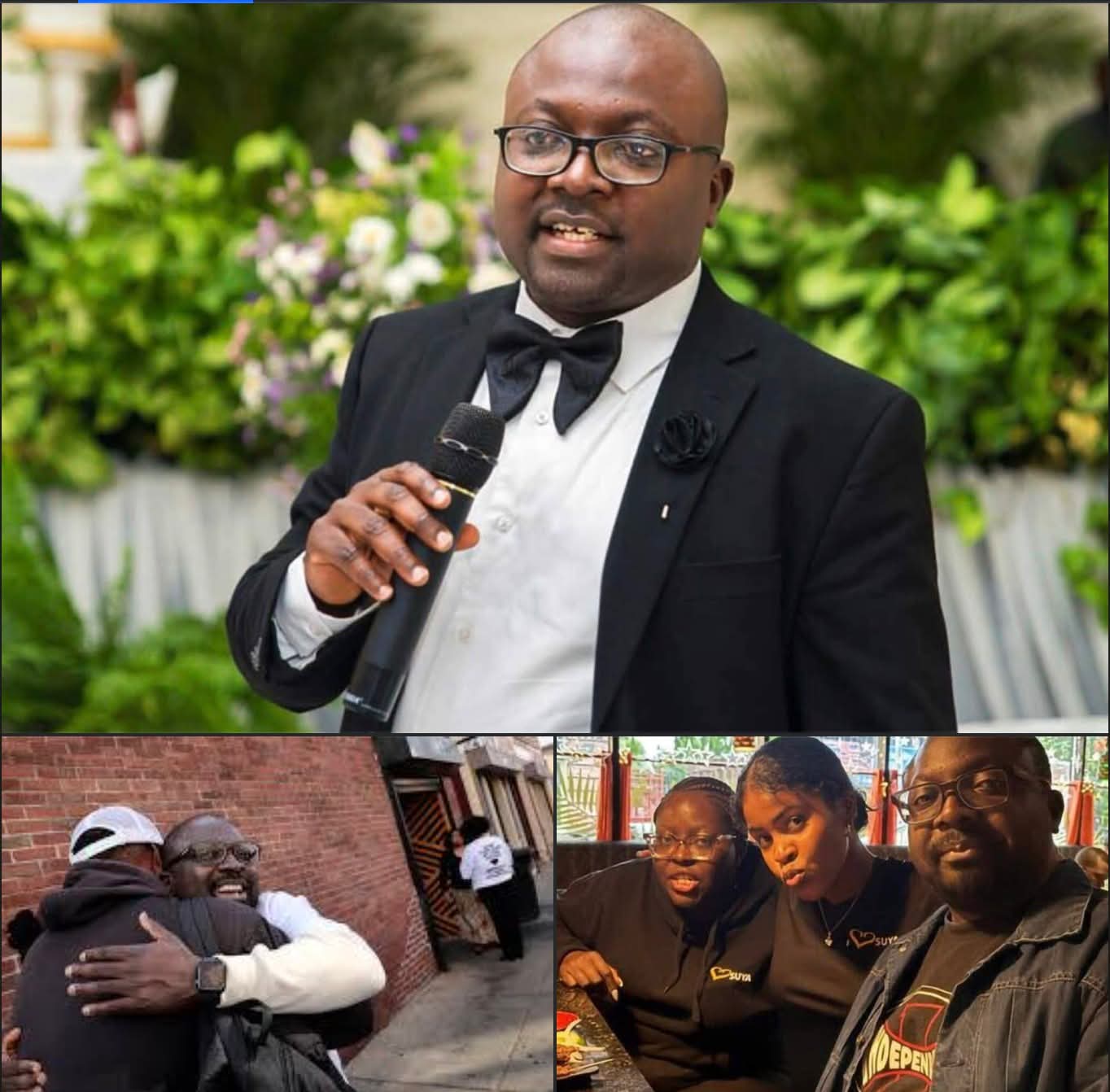
The saga of Paul Dama, a former star reporter for the Nigerian Television Authority (NTA), has taken a cinematic turn in the United States. After surviving the horrors of a Boko Haram kidnapping in Nigeria, Dama’s quest for safety led him through the dark corridors of American immigration detention before finally receiving a lifeline: Asylum.
A Survivor’s Trauma
In 2018, while at the peak of his journalism career, Dama was abducted by Boko Haram militants. Targeted for his reportorial work and advocacy for a free society, he was subjected to brutal torture. It took a “hefty ransom” raised by his desperate family to secure his release. However, the physical freedom did not bring mental peace.
”I was mentally and psychologically damaged,” Dama told a U.S. court. “I had nightmares… It felt like I was being watched.”
The American Struggle
Seeking a “normal life,” Dama fled to Boston in 2019. While he successfully integrated—managing the renowned Suya Joint restaurant and working as a caregiver—the scars of his past caught up with him. Following the death of his mother, whom he couldn’t visit due to the risks in Nigeria, Dama spiraled into depression and alcohol use.
This led to two Operating Under the Influence (OUI) convictions in 2024. Though he was found asleep in his parked car to avoid endangering others, his expired visitor visa made him a target for federal authorities. On June 15, 2025, while on his way to church, Dama was intercepted by Immigration and Customs Enforcement (ICE).

90 Days in the Shadows
For three months, the former journalist was held in an underground detention facility in New Hampshire, reportedly kept in chains from the waist down. Despite his pending asylum application, his prior convictions and overstayed visa made his release a legal uphill battle.
A Rare Judicial Victory
The turning point came via a video conference with Immigration Judge Yul-Mi Cho. Dama’s testimony was raw and transparent. He detailed his voluntary enrollment in the High Point Treatment Center to address his PTSD and triggers—a move he took independently before any court order.
Judge Cho, known for a rigorous 18% asylum grant rate (well below the 42% national average), was moved by his rehabilitation efforts and the undeniable evidence of his persecution in Nigeria.
”Going back to Nigeria would be like a death sentence to me,” Dama testified.
Ruling in his favor, Judge Cho declared that Dama had met the burden of proof regarding future persecution. While the government has until October 23 to appeal, the ruling offers Dama a legal path to remain on American soil.
Do you want to advertise with us?
Do you need publicity for a product, service, or event?
Contact us on WhatsApp +2348033617468, +234 816 612 1513, +234 703 010 7174
or Email: validviewnetwork@gmail.com
CLICK TO JOIN OUR WHATSAPP GROUP
Tears of Joy
For his sister, Cecelia Lizotte, the ruling is a miracle. “I am ecstatic,” she told reporters through tears. “He told his story… the judge understood the depth of the trauma he endured.”
As the legal window for appeal remains open, the Nigerian community in the U.S. and Dama’s colleagues back home watch closely, hoping this “second chance” finally leads to the peace the veteran journalist has sought for nearly a decade.