

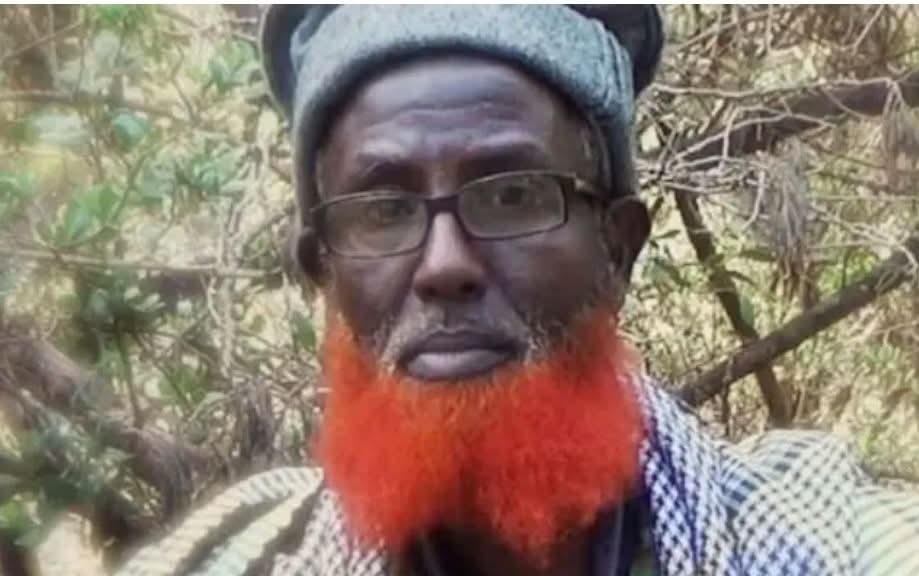
Somali-born extremist Abdul Qadir Mumin, long linked to jihadist networks in Britain and East Africa, is now being cited by some Western security officials as a possible global leader within the so‑called Islamic State (ISIS), even as his wife and three children continue to live quietly in the English town of Slough. Intelligence assessments remain divided, with several analysts stressing that his precise status in the ISIS command structure is still contested.
Fiery preacher turned alleged ISIS chief
Mumin, originally from Somalia, spent years in Europe, first relocating to Sweden and later settling in the United Kingdom, where he was eventually granted British citizenship. In London, he gained a reputation as a hardline preacher promoting extremist ideology and came under the radar of British security services over concerns he was radicalising young men.
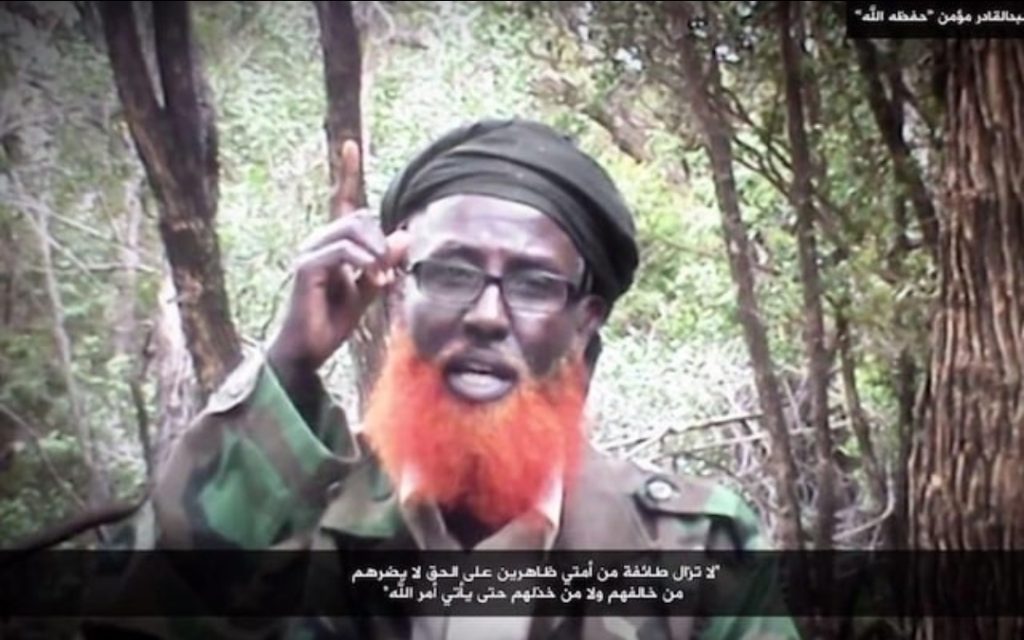
During this period, Mumin is reported to have crossed paths with Mohammed Emwazi, the Kuwaiti‑born British militant better known as “Jihadi John,” who appeared in ISIS propaganda videos showing the murders of Western captives before being killed in a 2015 US drone strike. He was also linked to Michael Adebolajo, the British extremist convicted for the 2013 murder of Fusilier Lee Rigby in Woolwich and now serving a whole‑life sentence.
Family left behind in Slough
Although now believed to be operating from northern Somalia, Mumin is said to have left behind his family in the UK, where they remain under public housing. British Somali mother of three, 43‑year‑old Muna Abdule, is reported to live in a two‑bedroom council flat in Slough, Berkshire, with their 20‑year‑old son and daughters aged 18 and 17.

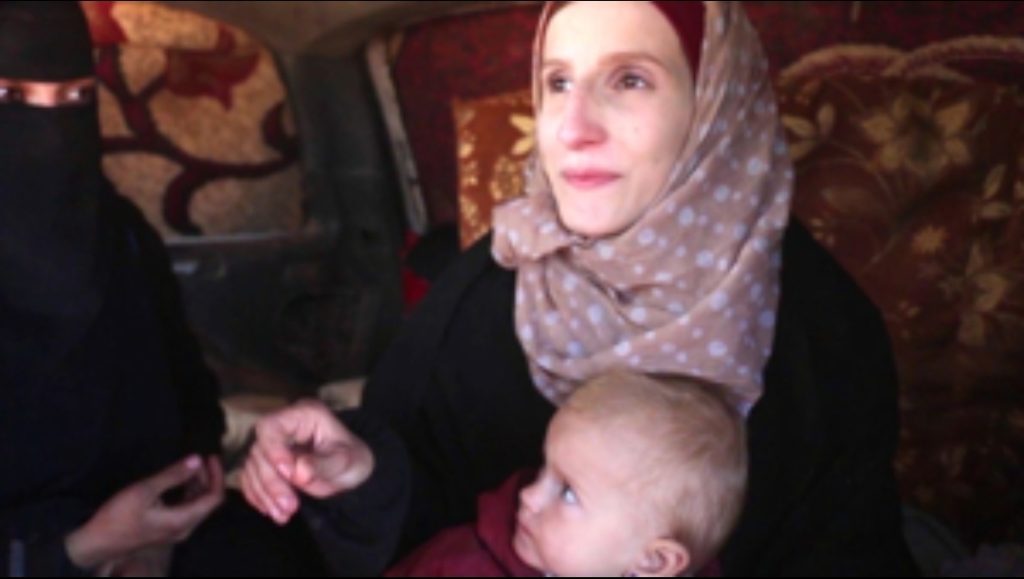
Abdule has told reporters that her husband vanished more than a decade ago without explanation and that life has been difficult since he walked out on the family. She has stressed that she and the children have no contact with him, reject his actions and ideology, and regard themselves as entirely separate from his activities.
From al‑Shabaab to ISIS Somalia
After leaving the UK around 2010, Mumin travelled to Somalia, where he is reported to have joined al‑Shabaab and publicly burned his British passport before supporters in a Mogadishu mosque, symbolically renouncing his adopted nationality. He later broke with al‑Shabaab and in October 2015 pledged allegiance to ISIS, announcing the creation of the Islamic State in Somalia, also known as the Islamic State–Somalia Province (ISS), based in the Galgala mountains in Puntland.
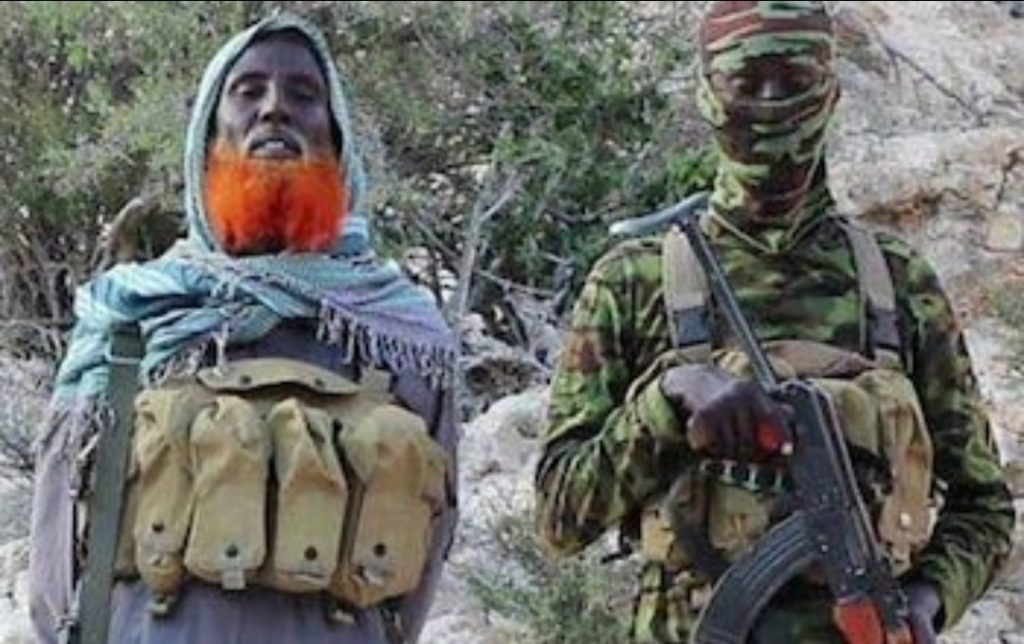
The United States designated Mumin a “Specially Designated Global Terrorist” in 2016, citing his leadership role in ISS and his record of recruiting foreign fighters. Western security officials now describe ISS as a “growing threat,” noting that the group has survived pressure from both Somali forces and rival al‑Shabaab while maintaining transnational funding and recruitment networks.
Disputed claims over ISIS ‘caliph’ role
In recent months, some US officials and intelligence sources have suggested that Mumin may have been elevated to act as the Islamic State’s overall leader, or “caliph,” following airstrikes that killed or sidelined other senior figures. Reports indicate he may have assumed a higher‑level global coordination role sometime in 2023, leveraging his experience in fundraising, foreign fighter recruitment and ideological outreach.
However, this alleged promotion has been met with caution by many analysts, who argue that ISIS doctrine traditionally demands that a caliph be an Arab of Quraysh lineage, a criterion Mumin does not meet as a Somali. Experts cited by the Combating Terrorism Center at West Point and other research groups say it is more plausible that he has become a powerful operational or strategic figure within ISIS’s decentralised network rather than its uncontested spiritual and political head.

ISIS’s shift towards Africa
Security researchers note that Mumin’s rise coincides with ISIS’s broader strategic pivot toward Africa after the collapse of its territorial “caliphate” in Iraq and Syria under sustained military pressure from a US‑led coalition and local partners. A France 24 analysis and other regional reporting highlight that ISIS affiliates in Somalia, the Sahel, Mozambique and elsewhere now play an increasingly central role in the group’s global operations and propaganda.
US and allied forces continue to carry out targeted strikes on ISIS infrastructure, including a recent operation in Syria that reportedly destroyed multiple weapons‑storage sites as part of efforts to prevent the group from regrouping and projecting attacks abroad. Even so, intelligence agencies warn that ISIS’s networked structure and its growing African hubs could enable renewed external plots despite the organisation’s loss of a formal state‑like base.
Ongoing scrutiny of leadership and threat
Western and regional security services are closely tracking Mumin’s status after a reported US drone strike in Somalia earlier this year that targeted his convoy; local sources indicated he likely survived, but his exact condition and current movements remain unclear. A recent UN Security Council monitoring report similarly flags Islamic State–Somalia and its leadership cadre as a key focus for sanctions, surveillance and counter‑terrorism action.
Counter‑terrorism analysts say that, whether or not Mumin is formally recognised as ISIS’s global chief, his combination of ideological influence, battlefield experience and familiarity with Western societies makes him a high‑value figure within the group’s evolving hierarchy. Authorities in Europe and Africa have therefore stepped up cooperation, warning that ISIS’s attempts to reassert influence across multiple regions could translate into renewed recruitment, financing and attack planning pipelines linked to East Africa.
Do you want to advertise with us?
Do you need publicity for a product, service, or event?
Contact us on WhatsApp +2348033617468, +234 816 612 1513, +234 703 010 7174
or Email: validviewnetwork@gmail.com
CLICK TO JOIN OUR WHATSAPP GROUP