



Justice Denied at the Teller Window: Veteran’s Settlement Triggers New Civil Rights Fight
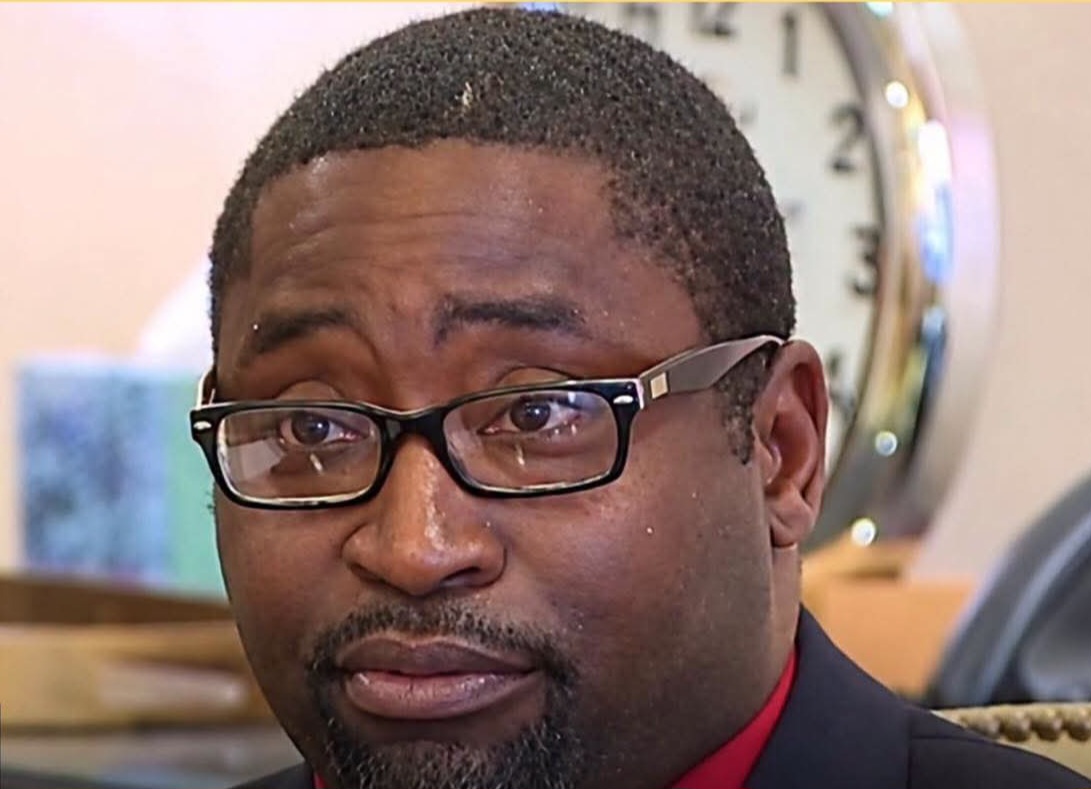
LANSING, Mich. — For 44-year-old Air Force veteran Sauntore Thomas, the hard-fought settlement against his former employer was supposed to represent closure. Instead, it became the opening salvo in a startling new legal battle that exposed the pervasive, everyday hurdles of institutional bias.
In January 2020, Thomas walked into a TCF Bank branch in Livonia, Michigan, carrying three settlement checks totaling nearly $100,000. The funds were the hard-won payout from a workplace racial discrimination lawsuit he had successfully waged against Enterprise Leasing Co. of Detroit. But rather than processing the deposit, bank staff subjected the veteran to an ordeal that would soon spark national outrage and a federal civil rights lawsuit.
According to court filings and Thomas’s account, tellers and branch management refused to credit the checks, alleging without verification that the legal documents were fraudulent. Rather than placing a standard administrative hold or contacting the issuing institution to verify authenticity, bank officials took a drastic step: they called the police.
”Banking While Black”
As Thomas stood waiting, two police officers arrived and began interrogating him directly inside the lobby while additional officers took positions outside. Describing the encounter as deeply humiliating and emotionally scarring, Thomas immediately reached out for legal counsel.
His attorney, civil rights lawyer Deborah Gordon, intervened over the phone and later filed a federal lawsuit against the financial institution. Gordon characterized the episode as a textbook example of “banking while Black”—a phenomenon where routine financial transactions by people of color are met with disproportionate suspicion, hostility, and criminalization.

”To endure a grueling racial discrimination lawsuit, win your justice, and then walk into a bank to deposit your settlement only to be treated like a criminal by the very institution holding your money is a cruel paradox,” Gordon noted.
The backlash was swift. As details of the interrogation circulated, consumer advocates and civil rights organizations condemned the bank’s actions. Facing intense public pressure and looming litigation, TCF Bank ultimately issued a public apology, admitting that law enforcement should never have been called to the branch.
A Broader Reckoning
Legal experts point out that Thomas’s ordeal underscores a systemic vulnerability within the banking sector, where subjective employee suspicion frequently intersects with racial bias. Data collected across consumer protection agencies consistently reveals that customers of color face heightened scrutiny when attempting to cash checks, open accounts, or withdraw funds compared to their white counterparts.
For Thomas, the contrast was stark: after leaving the Livonia branch, he walked into a competing financial institution where the very same checks were deposited without a single hitch, clearing within 24 hours.
The federal lawsuit, seeking both compensatory and punitive damages, shines an unforgiving light on institutional practices that penalize citizens for exercising their legal rights. As civil rights advocates continue to demand rigorous anti-bias training and standardized protocols across the financial industry, Sauntore Thomas’s case remains a powerful reminder of how far institutions still have to go to ensure true equity at the teller window.
Do you want to advertise with us?
Do you need publicity for a product, service, or event?
Contact us on WhatsApp +2348033617468, +234 816 612 1513, +234 703 010 7174
or Email: validviewnetwork@gmail.com
CLICK TO JOIN OUR WHATSAPP GROUP