

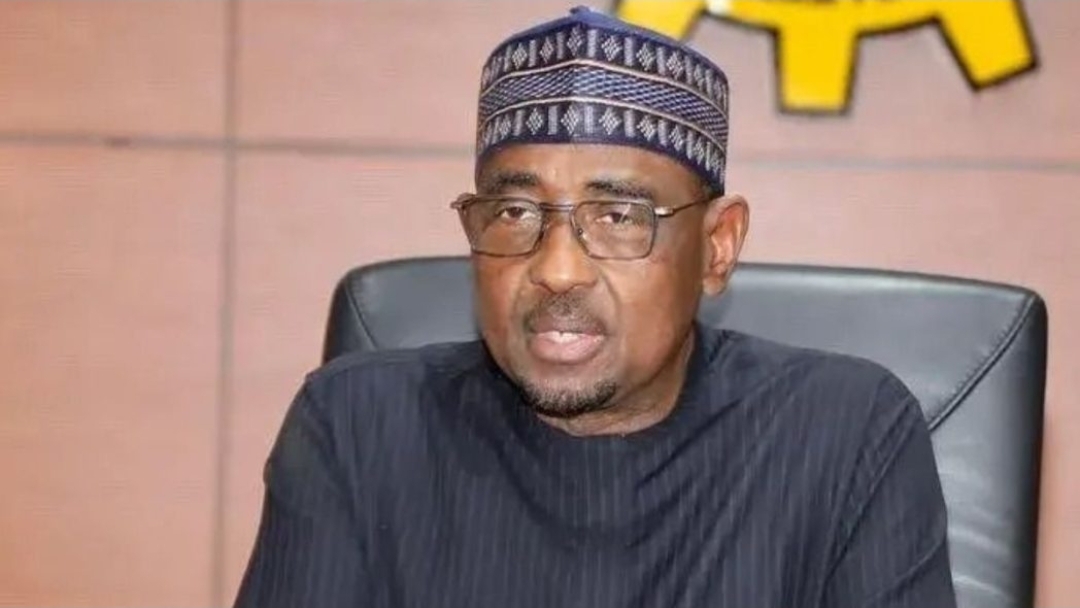
Lagos– Engr. Farouk Ahmed, Chief Executive Officer of the Nigerian Midstream and Downstream Petroleum Regulatory Authority (NMDPRA), has issued a robust defense against recent social media allegations accusing him of funding his children’s multimillion-dollar Swiss education through corrupt means. In a detailed statement released yesterday, Ahmed attributes the claims to powerful interests opposed to NMDPRA’s ongoing reforms in the downstream petroleum sector, including stricter import licensing and quality controls.
Ahmed, a career petroleum engineer with over three decades in public service, traces his rise from a junior role in the Department of Petroleum Resources (DPR) in 1991 to his current position since 2021. He entered via competitive civil service exams, advancing through technical divisions handling crude oil marketing, gas supply, and downstream operations. By 2012, he led the Crude Oil Marketing Division during global oil price shocks, and in 2015, he tackled fuel scarcity as Deputy Director.
The core allegation—that Ahmed spent $5 million on Swiss secondary education for his children, far exceeding his official ₦48 million annual salary—draws a sharp rebuttal. He reveals three of his four children secured merit-based scholarships covering 40-65% of costs, verifiable through school records. Additional funding came from an education trust established by his late father, a Northern Nigerian businessman who passed in 2018, aligning with cultural family support traditions.
“My personal financial obligation was entirely consistent with my professional standing,” Ahmed states, pointing to accumulated savings from federal service, civil servant cooperatives, and documented assets declared annually to the Code of Conduct Bureau since 1991. He publicly authorizes the schools to release records to Nigerian investigators and invites probes by the Code of Conduct Bureau, EFCC, and National Assembly.
Timing Tied to Regulatory Tensions
Ahmed links the allegations’ resurgence to NMDPRA’s enforcement actions. Recent Q1 2026 import licensing approvals—criticized by some as “economic sabotage”—fulfill the Petroleum Industry Act’s mandate for supply security, he argues. With domestic refineries falling short, diversified imports prevent scarcity vulnerabilities from single-source dependency.
Background checks confirm ongoing friction. In October 2025, NMDPRA rejected substandard fuel imports, fining offenders and sparking backlash from depot owners (Premium Times, Nov 2025). November reports highlighted Ahmed’s push for transparent pricing, reducing queues via depot tracking (Vanguard, Dec 2025). Independent audits by firms like PwC validate NMDPRA’s monthly supply portals and reforms since 2021, which have curbed diversion and opacity.

The Nigerian National Petroleum Company Limited (NNPCL) dominates direct sales, but NMDPRA insists on open permits for reliability. Critics, including market traders, claim this undercuts local refining, though data shows imports dropped 15% year-on-year post-reforms (NMDPRA portal, Dec 2025).
A Call for Scrutiny
Ahmed welcomes full investigations, vowing cooperation under oath. “Regulatory independence demands prioritizing Nigeria over commercial preferences,” he declares, unapologetic for antagonizing entrenched players. His career, he notes, embodies the national interest over personal gain.
As Nigeria navigates energy transitions, Ahmed’s stance underscores the Petroleum Industry Act’s 2021 reforms, aimed at curbing rent-seeking. No formal EFCC probe has launched yet, but public asset declarations remain accessible.
Do you want to advertise with us?
Do you need publicity for a product, service, or event?
Contact us on WhatsApp +2348033617468, +234 816 612 1513, +234 703 010 7174
or Email: validviewnetwork@gmail.com
CLICK TO JOIN OUR WHATSAPP GROUP