

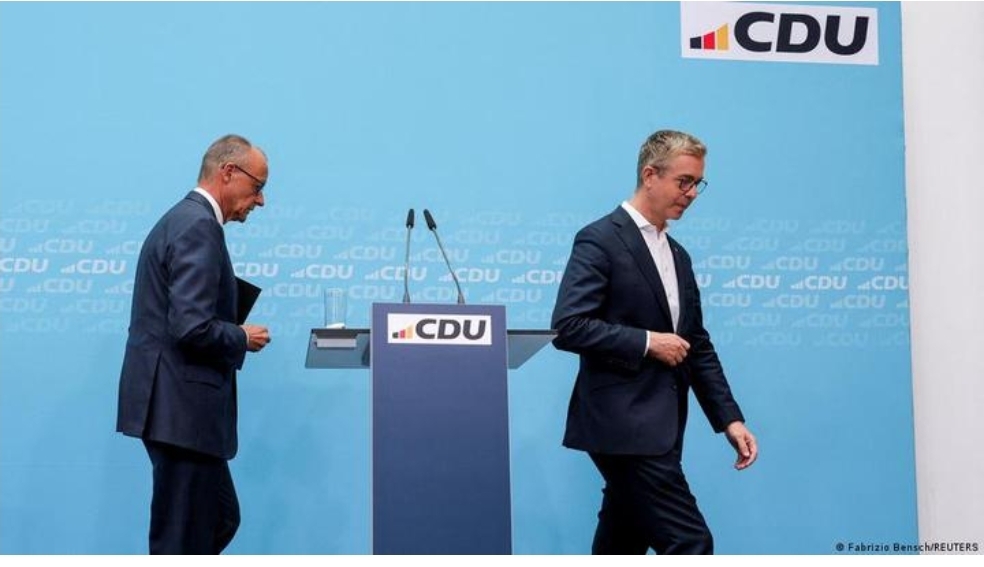
Germany’s political foundation faces mounting strain following twin regional electoral outcomes that exposed a sharply widening ideological divide across the country.
Sunday’s state votes delivered intense pressure to Chancellor Friedrich Merz’s federal administration, as voters gravitated toward the political fringes. In the northeastern state of Mecklenburg-Western Pomerania, the far-right Alternative for Germany (AfD) surged past competitors to capture over 38% of the vote. Concurrently, Merz’s center-right Christian Democratic Union (CDU) suffered a catastrophic collapse in the region, securing just 4.9% and crashing out of the state parliament entirely for the first time in its post-war history.
Conversely, the political climate in the capital shifted sharply in the opposite direction. In Berlin, the far-left Left Party triumphed with a commanding victory, propelled largely by voter anger over soaring urban rents and a crippling housing shortage.

The contrasting results highlight a deepening geographical and ideological fissure—pitting anti-immigration and nationalist sentiment in rural eastern regions against urban demands for economic intervention. For Chancellor Merz, the historic setbacks intensify doubts over his leadership and complicate efforts to push through key national reforms.
Do you want to advertise with us?
Do you need publicity for a product, service, or event?
Contact us on WhatsApp +2348033617468, +234 816 612 1513, +234 703 010 7174
or Email: validviewnetwork@gmail.com
CLICK TO JOIN OUR WHATSAPP GROUP