

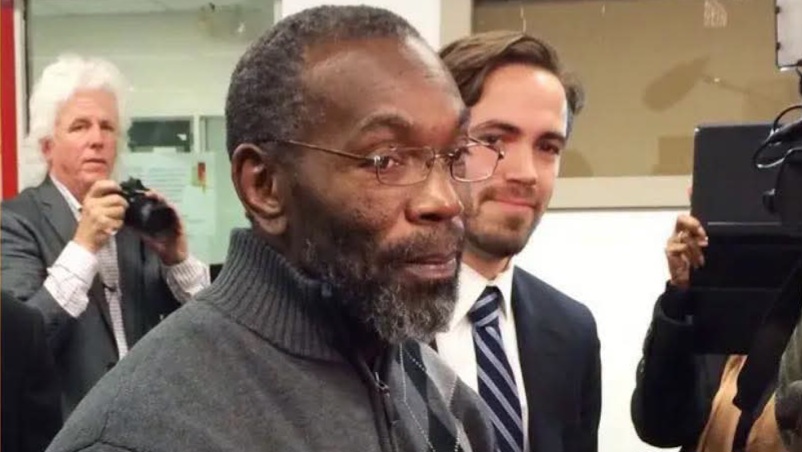
CLEVELAND, Ohio — Stepping past the prison gates into the brisk November air in 2014, Ricky Jackson marked the end of an unimaginable journey. Arrested as an 18-year-old with his whole life ahead of him, Jackson emerged 39 years later at the age of 57—surviving one of the longest wrongful imprisonments in United States history.
Jackson, alongside co-defendants Wiley and Ronnie Bridgeman, had been convicted for the 1975 murder and robbery of a Cleveland businessman named Harold Franks. In an era when the state sought capital punishment with ease, all three young men were swiftly condemned to death row. Yet the entire prosecution rested on a house of cards: the fabrication of a 12-year-old boy, Eddie Vernon, who claimed he witnessed the brutal attack.

Decades later, the facade crumbled. Vernon—burdened by decades of guilt—recanted his childhood testimony, confessing that he had never witnessed the crime. He revealed that police investigators had fed him details of the murder and pressured him into pointing the finger at Jackson and the Bridgeman brothers. School records and transit logs corroborated that Vernon was actually miles away on a school bus when the crime took place.
Confronted with the exposed misconduct and lack of credible evidence, Cuyahoga County prosecutors moved to dismiss all charges. The state conceded that the convictions could no longer stand, bringing a formal end to a judicial nightmare that stripped Jackson of his youth, his prime, and nearly four decades of freedom. While Jackson later secured financial compensation from the state, his case remains a chilling testament to the irreversible human cost of systemic flaws, coercive policing, and unreliable eyewitness testimony in capital cases.
Do you want to advertise with us?
Do you need publicity for a product, service, or event?
Contact us on WhatsApp +2348033617468, +234 816 612 1513, +234 703 010 7174
or Email: validviewnetwork@gmail.com
CLICK TO JOIN OUR WHATSAPP GROUP