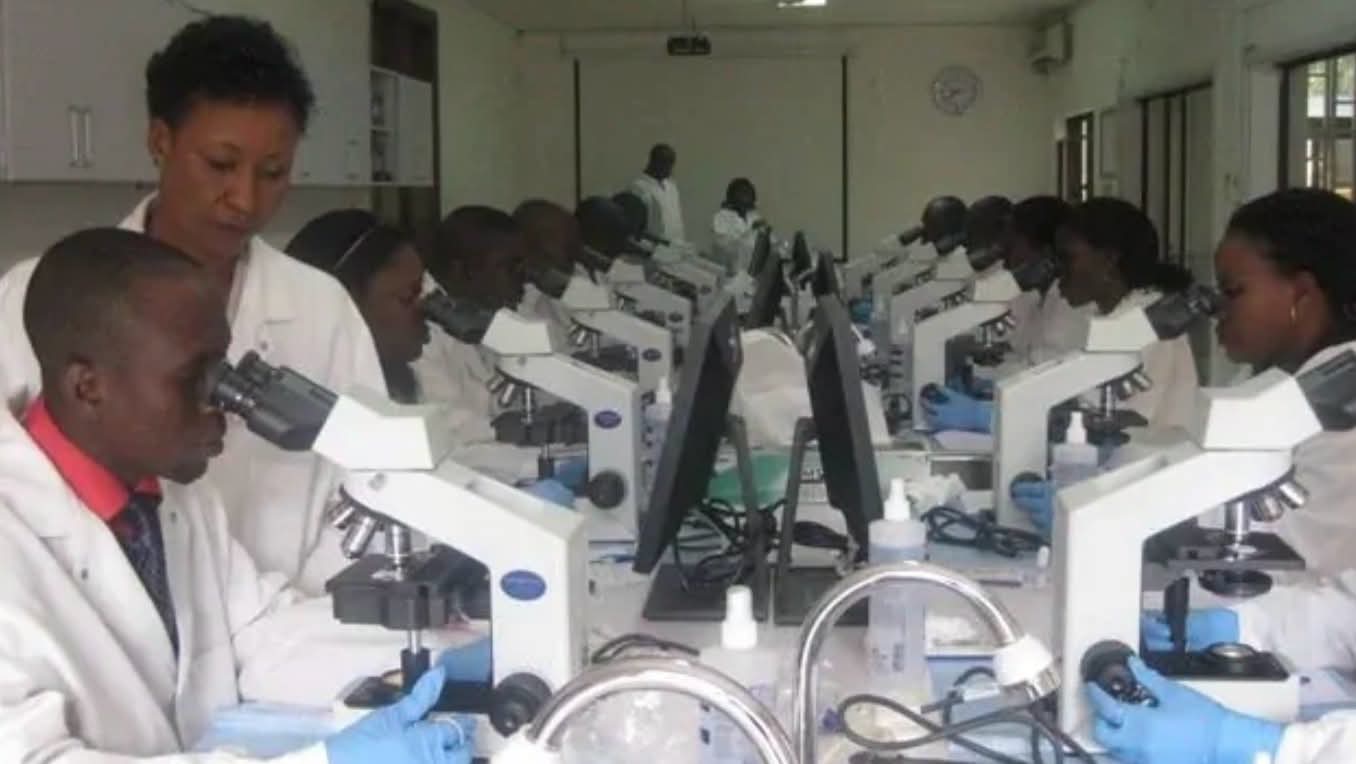
The crisis within the University of Ilorin (UNILORIN) Medical School has cast a grim spotlight on the systemic failures plaguing Nigeria’s healthcare training infrastructure. For many students who have completed their six-year Bachelor of Medicine, Bachelor of Surgery (MBBS) programme, the dream of becoming a licensed physician has turned into an agonizing wait in professional limbo.
The core of the issue lies in a clash between university admission practices and the rigid standards set by the Medical and Dental Council of Nigeria (MDCN). Reports indicate that the university repeatedly exceeded its approved admission quota for several years, admitting over 200 students while the MDCN-sanctioned limit stood at 150.
When it came time for the formal induction of the most recent set of graduates, the consequences of this breach became painfully clear. Out of 194 students who successfully completed their requirements, the university was only authorized to present 150 for induction. This forced the institution to adopt an controversial ranking system, effectively choosing which graduates would be permitted to start their careers and which would be left stranded—denied access to the mandatory housemanship and National Youth Service Corps (NYSC) programmes.
University authorities, including the Provost of the College of Health Sciences, Prof. Biodun Suleiman Alabi, have publicly acknowledged the predicament. Management maintains that they are in constant dialogue with the MDCN to resolve the backlog, citing that the federal government’s policy to double medical student intake has yet to be fully implemented at the regulatory level. As of early July 2026, the university has moved to reassure prospective students that admissions for the 2026/2027 session remain on course, even as it struggles to rectify the plight of those already caught in the bottleneck.

The situation serves as a stark metaphor for the broader struggles within Nigeria’s medical sector. In a nation where the doctor-to-patient ratio remains critically low—far below the WHO-recommended 1/1,000 threshold—the artificial restriction of trained personnel is deeply ironic. While regulators like the MDCN are essential for maintaining the integrity of medical standards, critics argue that the current approach prioritizes bureaucratic rigidity over the urgent need for human capital.
For the graduates currently sidelined, the wait is more than just a procedural delay; it is a profound waste of talent and resources. As the university and the MDCN continue to negotiate, the path forward remains uncertain for dozens of aspiring doctors, highlighting an urgent need for better institutional alignment between academic intake, infrastructure capacity, and national health requirements.
Do you want to advertise with us?
Do you need publicity for a product, service, or event?
Contact us on WhatsApp +2348033617468, +234 816 612 1513, +234 703 010 7174
or Email: validviewnetwork@gmail.com
CLICK TO JOIN OUR WHATSAPP GROUP